Uncover the popular ingredients that may not be as healthy as they seem
Milk

Research suggests milk, traditionally seen as healthy, may pose significant health risks. Professor Walter Veith highlights that undigested proteins from milk can trigger autoimmune diseases. Adults struggle to digest milk sugars, leading to health issues. Additionally, milk consumption contributes to osteoporosis and various allergies, while milk combined with sugar creates further risks.
Sugar

Excess sugar significantly harms skin health, contributing to wrinkles and accelerated aging. It forms harmful bonds with proteins like collagen, impairing skin structure and repair. Additionally, sugar damages hyaluronic acid, leading to dryness. Overall, sugar negatively impacts skin elasticity, moisture, and appearance, undermining both health and beauty.
Caffeine

The popularity of coffee and tea, fueled by marketing and culture, masks their potential health risks. Caffeine addiction leads to withdrawal symptoms, digestive issues, and mental health problems. Alternatives like herbal infusions and water offer healthier options. Ultimately, reducing caffeine consumption can enhance overall well-being and mitigate harmful effects.
Starch

Starches are complex carbohydrates that the human body struggles to digest, requiring significant energy and nutrients for breakdown. Inefficient digestion can lead to health issues like nutrient deficiencies and toxicity. Starch consumption also affects iodine absorption and contributes to fecal stone formation in the colon, disrupting gut health. Adopting whole foods and reducing refined starches can mitigate these risks.
Salt

Excessive salt consumption poses serious health risks, disrupting the body’s balance and leading to issues like fatigue and heart complications. Modern diets typically provide sufficient sodium, reducing the need for added salt. Emphasizing potassium-rich foods and avoiding processed items can support better health and energy levels without relying on salt.
Cooking Oil

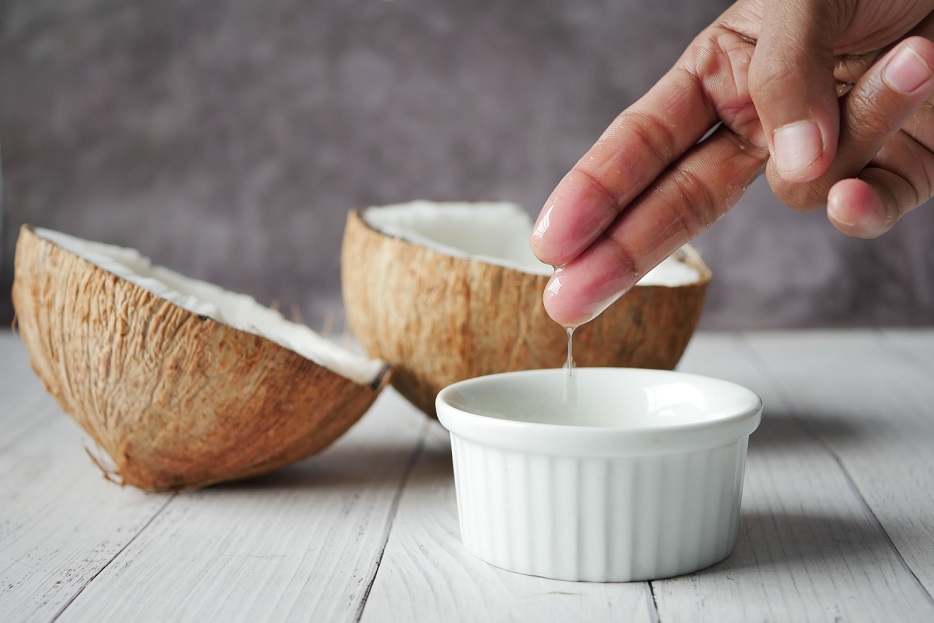
Most commercial vegetable oils undergo a refining process to ensure clarity, extend shelf life, and neutralize flavors. The journey from seed to bottle involves intricate processes that significantly influence the oil’s nutritional value and potential health effects. Understanding these methods can help you make informed choices about the oils you consume.
White Flour

To make flour last longer on shelves and look more appealing to consumers, food manufacturers strip away the parts of the grain richest in nutrients: the bran and the germ. What remains is mostly starch, devoid of the fiber, vitamins, and minerals your body needs. But it doesn’t stop there. To get that bright white color and soft texture, the flour goes through chemical bleaching.