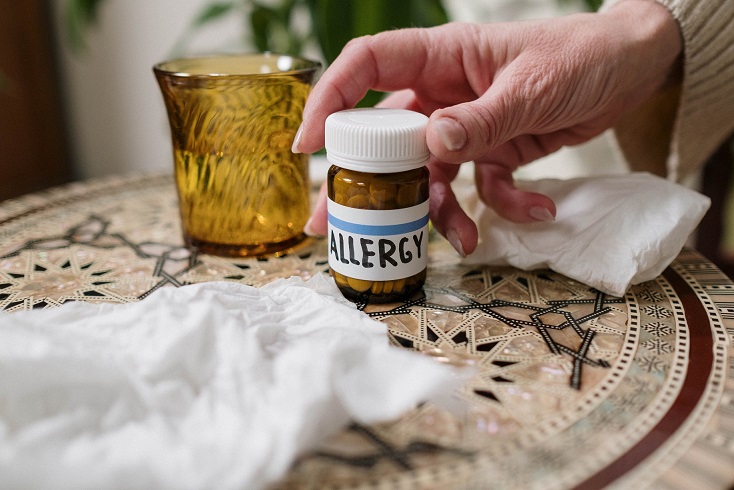
Food allergies and food intolerances are often confused. Many people say they are “allergic” to a food when they actually have an intolerance, while others may ignore mild symptoms that could signal a true allergy.
Although both conditions can cause unpleasant reactions after eating, they are very different. One involves the immune system and can become life-threatening. The other usually affects digestion and, while uncomfortable, is generally not dangerous.
Understanding the difference is important – not only for your health but also for making informed choices when reading food labels.
What Is a Food Allergy?
A food allergy occurs when the immune system mistakenly identifies a harmless food protein as a dangerous invader. Instead of ignoring the food, the immune system launches an attack by producing antibodies called IgE antibodies. These antibodies trigger the release of chemicals such as histamine, causing allergic symptoms. Even a tiny amount of the allergen can trigger a reaction in sensitive individuals. Symptoms often appear within minutes, although they can sometimes develop within a couple of hours. Common symptoms include:
- hives or skin rash
- itching
- swelling of the lips, tongue or throat
- wheezing or difficulty breathing
- vomiting
- abdominal pain
- dizziness
- fainting
In severe cases, a food allergy can cause anaphylaxis, a life-threatening emergency that requires immediate treatment with adrenaline (epinephrine).
What Is Food Intolerance?
Food intolerance is completely different. It does not involve the immune system. Instead, the body has difficulty digesting or processing a particular food or food component. Symptoms are usually related to digestion and often depend on how much of the food is eaten. Common symptoms include:
- bloating
- stomach cramps
- gas
- diarrhea
- nausea
- headaches (in some individuals)
Unlike allergies, food intolerances are generally not life-threatening, although they can significantly affect quality of life.
Allergy vs. Intolerance: The Key Differences
| Food Allergy | Food Intolerance |
|---|---|
| Immune system reaction | Digestive or metabolic problem |
| Can occur after tiny amounts | Often depends on the amount eaten |
| May be life-threatening | Usually not dangerous |
| Often immediate | Symptoms may appear hours later |
| Requires strict avoidance | Small amounts are sometimes tolerated |
Common Food Allergens
In theory, almost any food can cause an allergy. However, a relatively small number of foods are responsible for most serious allergic reactions worldwide.
Different countries have slightly different regulations, but in the European Union and the UK, 14 major allergens must be declared whenever they are intentionally used as ingredients. These are:
- cereals containing gluten (wheat, rye, barley, oats and related varieties)
- crustaceans
- eggs
- fish
- peanuts
- soybeans
- milk
- tree nuts (such as almonds, walnuts, hazelnuts, cashews and pistachios)
- celery
- mustard
- sesame
- sulphur dioxide and sulphites (above specified levels)
- lupin
- molluscs
These foods account for the vast majority of serious food allergy reactions reported in Europe.
Why Only 14 Allergens?
Many people wonder why labels mention only 14 allergens when hundreds of foods can potentially trigger allergies. The answer is simple. Food legislation focuses on the allergens that:
- cause the largest number of allergic reactions
- are responsible for the most severe reactions
- are widely consumed
- have sufficient scientific evidence supporting mandatory labeling
Other allergies certainly exist – for example to kiwi, banana, strawberries, peaches or spices – but they are much less common and are not included in mandatory allergen labeling requirements.
How Can You Tell Whether It’s an Allergy or an Intolerance?
It isn’t always obvious. Some clues may help.
Allergy is more likely if:
- symptoms appear quickly
- very small amounts trigger reactions
- skin symptoms occur
- breathing difficulties develop
- reactions are consistent every time
Intolerance is more likely if:
- symptoms are mainly digestive
- larger amounts cause problems
- small portions are tolerated
- symptoms appear several hours later
However, symptoms can overlap. A proper medical diagnosis may involve:
- medical history
- elimination diets
- blood tests
- skin prick testing
- supervised food challenges
Self-diagnosing food allergies can lead to unnecessary dietary restrictions or, worse, dangerous delays in proper treatment.
Lactose Intolerance: One of the Most Common Examples
Lactose intolerance is often mistaken for a milk allergy. In reality, they are very different. People with lactose intolerance do not produce enough lactase, the enzyme needed to digest milk sugar (lactose). Undigested lactose reaches the large intestine, where gut bacteria ferment it, producing gas and bloating.
A milk allergy, on the other hand, is a reaction to milk proteins, not lactose, and can be severe even after consuming tiny amounts.
Gluten Allergy, Wheat Allergy, and Celiac Disease Are Not the Same
These terms are frequently confused.
Wheat allergy is an immune reaction to proteins found in wheat.
Celiac disease is an autoimmune disorder in which gluten damages the small intestine.
Non-celiac gluten sensitivity is a condition where people experience symptoms after eating gluten-containing foods but do not have celiac disease or a wheat allergy.
Although the symptoms may overlap, these conditions have different causes and require different approaches.
What Is the Responsibility of Food Manufacturers?
Food manufacturers play a critical role in protecting allergic consumers. Food businesses are legally responsible for ensuring that allergen information is accurate and that allergen risks are properly controlled. This involves much more than simply adding allergens to the label. Effective allergen management includes:
- supplier approval
- ingredient verification
- risk assessment
- production scheduling
- cleaning validation
- prevention of cross-contact
- employee training
- label verification
- change management
- internal audits
A labeling error involving allergens can have far more serious consequences than many other food labeling mistakes.
“Contains” vs. “May Contain”: What Is the Difference?
These two statements have very different meanings.
Contains
This means the allergen is intentionally added as an ingredient. For example:
Contains: Milk, Wheat, Soy
The manufacturer knows these allergens are present because they are part of the recipe.
May Contain
This is known as precautionary allergen labeling. It indicates that an allergen is not intentionally added, but there is a possibility of accidental cross-contact during manufacturing.
For example:
- shared production lines
- shared equipment
- airborne particles
- shared storage areas
A “May contain peanuts” statement means peanuts are not part of the recipe, but traces cannot be completely ruled out despite control measures.
This warning should never be used as a substitute for good manufacturing practices. It should be based on a genuine risk assessment, not added routinely “just in case.”
Reading Food Labels Can Save Lives
For people with food allergies, ingredient lists are more than a shopping tool – they are a safety measure. Always:
- read the full ingredient list, even on familiar products
- check labels every time, as recipes may change
- pay attention to both “Contains” and “May contain” statements
- ask questions when eating outside the home if allergen information is unclear
The Bottom Line
Food allergy and food intolerance may seem similar, but they are fundamentally different conditions.
A food allergy involves the immune system and can become life-threatening even after consuming tiny amounts of an allergen. Food intolerance usually results from difficulty digesting certain foods and is generally related to the quantity consumed.
Understanding the difference helps consumers make safer food choices and highlights why accurate allergen management is one of the food industry’s most important responsibilities. Behind every correctly labeled package are careful manufacturing practices designed to protect the people who rely on them every day.




Leave Your Opinion