-
 Continue reading →: From Salt to Preservatives: How We Preserve Food
Food preservation has evolved from ancient methods like drying, salting, smoking and fermentation to modern techniques such as pasteurization, freezing and food preservatives. Each method controls microorganisms, moisture, temperature or oxidation in a different way – with its own advantages and trade-offs. Discover how food preservation works, why preservatives are…
-
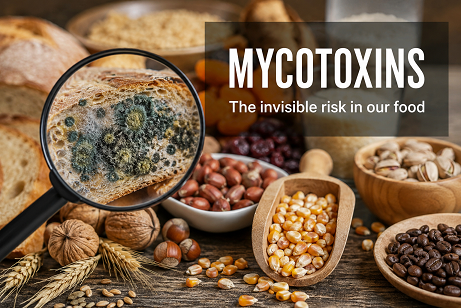 Continue reading →: Mycotoxins in Food: The Invisible Risk You Don’t Need to Fear
Mycotoxins are natural toxins produced by certain moulds and can occur in everyday foods such as wheat, cereals, nuts, dried fruit, coffee and spices. But their presence doesn’t mean that our food is unsafe. Discover where mycotoxins come from, which foods are most commonly affected, how food manufacturers control them,…
-
 Continue reading →: Can You Get Sick from Food That Looks Fresh? The Science Behind Foodborne Diseases
Foodborne diseases aren’t always caused by food that looks spoiled. Learn the difference between bacteria, viruses, molds, yeasts, parasites, and the toxins some microorganisms produce. Discover why cooking doesn’t always make contaminated food safe, who is most at risk, and the simple food safety habits that can help protect you…
-
 Continue reading →: Food Allergy vs. Food Intolerance: What’s the Difference and Why It Matters
Food allergy and food intolerance are often confused, but they are very different conditions. Learn how to recognize the symptoms, why only 14 allergens must be declared on food labels, what “contains” and “may contain” really mean, and how food manufacturers protect allergic consumers. This practical guide explains the science…
-
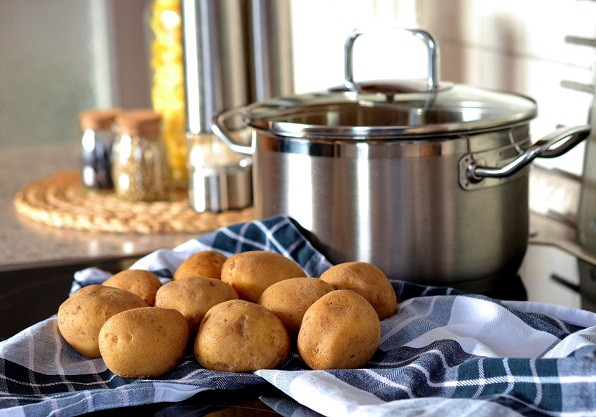 Continue reading →: Are Potatoes Really Empty Carbs? What Science Says About This Misunderstood Vegetable
Are potatoes really just “empty carbs,” or have they been unfairly blamed? Discover what science says about their nutritional value, how different varieties compare, which cooking methods preserve the most vitamins and minerals, and why the way you prepare potatoes matters more than the potato itself. Learn how this humble…
-
 Continue reading →: Coconut Oil in Your Kitchen: Benefits, Drawbacks, and How to Choose the Best One
Coconut oil is praised as a superfood by some and criticized as an unhealthy saturated fat by others. So what does the science actually say? Discover how coconut oil is produced, the difference between virgin and refined varieties, its nutritional profile, potential health benefits and risks, how it’s used in…
-
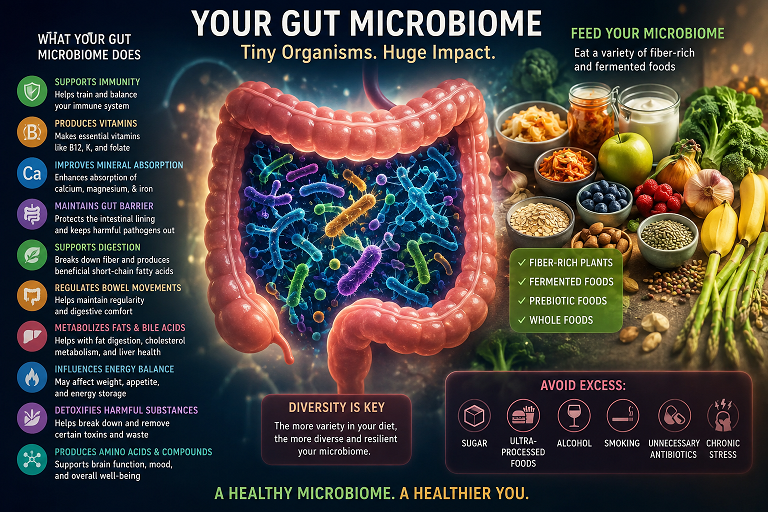 Continue reading →: The Hidden Organ Inside You: How Your Gut Bacteria Influence Immunity, Digestion, and More
Your gut microbiome does far more than help digest food. It supports immunity, produces vitamins, regulates metabolism, strengthens the intestinal barrier, and even influences brain health. Discover the remarkable functions of beneficial gut bacteria, what harms them, and how simple dietary choices can help your microbiome thrive. Learn why feeding…
-
 Continue reading →: Palm Oil vs. Other Vegetable Oils: Which Is Better for Your Health?
Palm oil is one of the most common ingredients in processed foods, yet many consumers know very little about it. Is it really a healthy “vegetable oil”? Why is it so popular in the food industry, why has it disappeared from many infant formulas, and what should you look for…
-
 Continue reading →: How to Spot Fake Sourdough: What to Look for on the Label
Not all sourdough bread is made the same. Learn the difference between authentic long-fermented sourdough and industrial bread, discover the potential health benefits of natural fermentation, understand why some manufacturers add commercial yeast and additives, and find out exactly what to look for on the ingredient label. This guide will…
-
 Continue reading →: Understanding “Body Acidification”: What Different Acids in the Body Really Mean
Is your body really becoming “too acidic,” or is the truth more complex? Discover how uric acid, lactic acid, stomach acid, oxalic acid, and other naturally occurring acids are formed, what lifestyle factors influence them, and practical, science-informed strategies to support your body’s natural acid-base balance. Learn how nutrition, hydration,…
The Ingredient Library
REAL FOOD. PURE KNOWLEDGE. BETTER LIVING.
Hi there!
Welcome to “What Do We Eat?”
This is my little corner around the web, where you can find a lot of information about natural and industrial food, benefits and harms of different ingredients, busting myths and many other issues linking our food and our health.
The articles in my blog are divided into categories:
- Animal-Based Foods (6)
- Lifestyle Impact (34)
- Plant-Based Food (66)
- Processed Food (29)
- Supplements (8)
Also on
Join the journey!
Stay updated with my latest articles by joining the newsletter.