
For decades, potatoes have suffered from a poor reputation. They are often dismissed as “just carbohydrates,” blamed for weight gain, and avoided by people trying to eat healthier. The truth, as usual, lies somewhere in the middle.
Potatoes are neither a nutritional villain nor a miracle food. Their health value depends on the variety, how they are prepared, what they are eaten with, and the overall dietary pattern. Let’s separate the myths from the science.
Are Potatoes Really “Empty Carbohydrates”?
One of the biggest misconceptions is that potatoes contain nothing except starch. In reality, potatoes are whole vegetables that naturally provide:
- complex carbohydrates
- dietary fiber (especially with the skin)
- vitamin C
- vitamin B6
- potassium
- magnesium
- phosphorus
- iron (small amounts)
- folate
- antioxidants
- plant compounds such as carotenoids and polyphenols (particularly in colored varieties)
Unlike refined carbohydrates such as white bread or pastries, an intact potato still contains its original plant structure, which slows digestion and contributes to satiety. The problem usually isn’t the potato itself – it’s what we do to it.
Potatoes Are Surprisingly Nutritious
A medium baked potato with the skin provides approximately:
- 160 kcal
- 37 g carbohydrates
- 4 g protein
- less than 0.2 g fat
- about 4 g fiber
- over 20% of the daily requirement for vitamin C
- around 25% of daily vitamin B6
- nearly 20% of daily potassium needs
Potatoes are naturally:
- cholesterol-free
- very low in fat
- sodium-free (until salt is added)
While potatoes are not a high-protein food, around 8–11% of their calories come from protein, and potato protein is considered to have relatively high biological quality compared with many plant foods.
The Power of Potassium
One nutrient often overlooked is potassium. Potatoes are among the richest potassium-containing vegetables. Potassium supports:
- healthy blood pressure
- muscle contraction
- nerve function
- heart rhythm
- fluid balance
Many modern diets provide too much sodium and too little potassium. Replacing highly processed foods with whole potatoes can help improve this balance.
Different Potatoes, Different Nutrition
Not all potatoes are nutritionally identical.
White potatoes
The most common variety. They provide:
- vitamin C
- potassium
- vitamin B6
- resistant starch (after cooling)
Yellow potatoes
Contain slightly more carotenoids that contribute to their creamy color. Often have a buttery texture.
Red potatoes
Usually contain more antioxidant compounds in the skin. Their thinner skin is often eaten, increasing fiber intake.
Purple and blue potatoes
Among the healthiest varieties. Their deep color comes from anthocyanins – the same antioxidants found in blueberries. Research suggests anthocyanins may help reduce oxidative stress and inflammation. Whenever possible, eating a variety of potato colors provides a wider range of beneficial phytochemicals.
Don’t Throw Away the Skin
Many nutrients are concentrated close to the skin. Leaving the skin on increases:
- fiber
- potassium
- magnesium
- antioxidants
Of course, potatoes should always be washed thoroughly before cooking, especially if eaten with the skin.
How Cooking Changes Nutritional Value
Cooking transforms potatoes in several ways. Some nutrients become easier to digest. Others decrease.
Vitamin C
Vitamin C is sensitive to heat and water. Losses vary depending on cooking method:
- Boiling: 30–50% loss
- Baking: moderate loss
- Microwaving: relatively good preservation
- Steaming: among the best methods
B Vitamins
Vitamin B6 is relatively heat stable. Some water-soluble B vitamins may leach into cooking water during boiling.
Potassium
Potassium is water-soluble. Boiling causes some potassium to move into the water. Steaming and baking preserve more.
Fiber
Fiber remains largely intact regardless of cooking.
The Best Cooking Methods
From a nutritional standpoint, some methods are clearly superior.
★★★★★ Steaming
Probably the best overall choice. Benefits:
- preserves vitamins
- preserves minerals
- requires no added fat
- maintains texture
★★★★★ Baking
Also excellent. Especially when baked with the skin. Produces minimal nutrient loss while preserving flavor.
★★★★ Microwaving
Despite common myths, microwaving preserves many vitamins because cooking time is short and little water is used.
★★★ Boiling
Still a healthy method. Some vitamin C and potassium are lost into the water. Cooking whole potatoes with the skin helps reduce these losses.
★ Frying
This is where potatoes often become unhealthy. French fries and potato chips absorb significant amounts of oil.
High-temperature frying also produces acrylamide, a compound formed when starchy foods are cooked above approximately 120°C (248°F). Research suggests that reducing excessive intake of acrylamide is advisable because it is classified as a probable human carcinogen based on animal studies. While the exact risk to humans remains under investigation, food safety authorities recommend minimizing unnecessary exposure.
The potato itself is not the problem. The frying process is.
Resistant Starch: An Unexpected Benefit
One fascinating discovery is what happens when potatoes cool after cooking. Cooling increases resistant starch. Resistant starch:
- escapes digestion in the small intestine
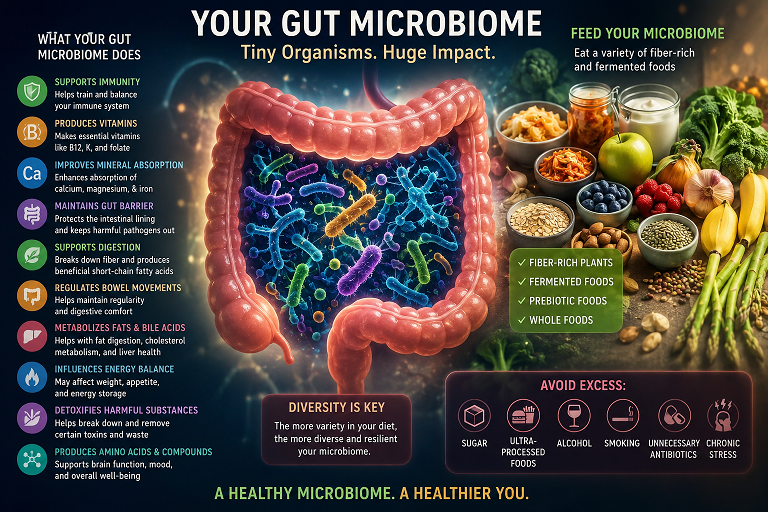
- feeds beneficial gut bacteria
- supports colon health
- may improve insulin sensitivity
- can reduce blood sugar spikes after meals
Examples include:
- potato salad
- cooked potatoes chilled overnight
- reheated cooled potatoes (much of the resistant starch remains)
This makes cooled potatoes surprisingly beneficial for gut health.
Are Potatoes Bad for Blood Sugar?
Potatoes often receive criticism because of their glycemic index (GI). However, GI is only part of the story. Blood sugar response also depends on:
- potato variety
- cooking method
- cooling
- portion size
- whether protein, healthy fats, and fiber are eaten alongside
A baked potato eaten with vegetables, beans, fish, or yogurt affects blood sugar very differently from a large serving of French fries with sugary soda. The overall meal matters more than a single food.
Potatoes and Weight Gain
Scientific evidence does not support the idea that potatoes inherently cause obesity. People tend to gain weight from:
- oversized portions
- frequent consumption of fried potatoes
- eating potatoes alongside butter, cream, cheese, bacon, or processed meats
- excess overall calorie intake
Plain baked or steamed potatoes are actually among the most filling foods studied. High satiety may even help reduce total calorie intake during the day.
Choosing Better Potato Meals
Instead of:
French fries, Potato chips, Loaded mashed potatoes with butter and cream
Try:
Baked potatoes with herbs, Steamed baby potatoes, Potato salad with olive oil and fresh vegetables, Potatoes served alongside legumes, Roasted potatoes with rosemary and garlic, Potatoes with grilled fish and vegetables, The potato remains the same.
The meal changes everything.
The Bottom Line
Potatoes deserve far more credit than they often receive. They are not “empty carbohydrates,” but nutrient-rich root vegetables that provide vitamins, minerals, fiber, antioxidants, and one of the best natural sources of potassium.
The greatest determinants of their health value are the variety you choose, how you cook them, and what you serve them with.
Instead of fearing potatoes, it may be wiser to rethink the way we prepare them. Choosing whole potatoes over highly processed potato products – and baking, steaming, or boiling instead of deep-frying – allows you to enjoy their nutritional benefits while minimizing the downsides.
Sometimes the healthiest choice isn’t about eliminating a food – it’s about letting that food stay as close as possible to the way nature created it.



Leave a Reply