
Walk into any bakery or supermarket today, and you’ll likely find shelves filled with breads proudly labeled “sourdough.” The popularity of sourdough has surged in recent years, with many people viewing it as a healthier alternative to conventional bread.
But not every loaf marketed as sourdough is created equally.
Some are made using traditional fermentation methods that have been practiced for thousands of years. Others are industrial products that simply contain a small amount of sourdough culture while relying primarily on commercial baker’s yeast and various additives to speed production.
So what makes authentic sourdough different? And how can you tell if you’re buying the real thing?
What Is Sourdough?
Traditional sourdough bread is made using a natural starter – a living culture of wild yeasts and beneficial lactic acid bacteria.
Instead of adding commercial baker’s yeast, flour and water are mixed together and allowed to ferment naturally. Over time, naturally occurring microorganisms multiply and create a stable ecosystem that leavens the dough while developing flavor and texture.
This slow fermentation process has been used for thousands of years—long before commercial yeast became available in the 19th century.
Industrial Yeast vs. Natural Sourdough
The biggest difference lies in how the dough rises.
Commercial yeast
Modern baker’s yeast (Saccharomyces cerevisiae) is selected to produce carbon dioxide very rapidly. Advantages include:
- consistent results
- predictable baking times
- high-volume production
- lower manufacturing costs
A loaf can often be mixed, proofed, baked, packaged, and shipped within a few hours. For large-scale bakeries, this speed is extremely valuable.
Natural sourdough
Sourdough fermentation is much slower. Instead of relying on one dominant yeast species, sourdough contains a diverse community of:
- wild yeasts
- Lactobacillus species
- other naturally occurring bacteria
Fermentation typically lasts:
- 8–24 hours
- sometimes even longer
This extended fermentation changes the dough in ways that commercial yeast alone cannot.
Does Sourdough Have Health Benefits?
Research suggests that traditional sourdough fermentation may offer several advantages, although it is important not to exaggerate these benefits.
Improved Digestibility
During fermentation, microorganisms begin breaking down some of the carbohydrates and proteins found in flour.
This “pre-digestion” may make sourdough easier for some people to digest than rapidly produced bread.
However, people with celiac disease must still avoid wheat sourdough, as fermentation does not eliminate gluten.
Lower Glycemic Response
Several studies suggest that authentic sourdough bread may produce a slightly lower rise in blood sugar compared with conventional white bread.
Possible reasons include:
- organic acid production
- slower starch digestion
- altered starch structure
This does not make sourdough a low-carbohydrate food, but it may support steadier blood sugar levels when consumed as part of a balanced diet.
Better Mineral Availability
Whole grains naturally contain phytic acid, a compound that can reduce the absorption of minerals such as:
- iron
- zinc
- magnesium
- calcium
The long fermentation process activates enzymes called phytases, which partially break down phytic acid. As a result, some minerals may become more bioavailable.
Flavor Without Excess Additives
Traditional sourdough develops complex flavors naturally through fermentation. Industrial bread often relies on added ingredients to create similar characteristics.
Is Every “Sourdough” Bread Actually Sourdough?
Unfortunately, no. Many supermarket breads use marketing terms that can be misleading. A loaf may contain:
- dried sourdough powder
- sourdough flavoring
- a small amount of sourdough starter
…but still rely almost entirely on commercial yeast for rising.
Technically, these products may legally be sold as sourdough in some regions, even though the fermentation process is much shorter than traditional methods.
Why Industrial Bakeries Often Add Commercial Yeast
Time equals money. Traditional fermentation can take an entire day. Industrial bakeries often shorten production by:
- adding baker’s yeast
- increasing proofing temperatures
- using dough conditioners
- shortening fermentation time
The bread rises faster, production becomes more predictable, and costs decrease. The downside is that the dough undergoes far less natural fermentation.
Common Additives Found in Industrial Bread
Many commercial breads contain ingredients beyond the basics. These may include:
- emulsifiers
- preservatives
- acidity regulators
- enzymes
- anti-mold agents
- dough conditioners
- added gluten
- vegetable oils
- sugars or syrups
- colorings such as caramel
Not all additives are harmful, but they often compensate for shortened production times or improve shelf life and consistency.
What Should Authentic Sourdough Bread Contain?
A traditional sourdough loaf can be surprisingly simple. Typical ingredients include:
- flour
- water
- sourdough starter
- salt
That’s all. Some artisan bakers may also include:
- whole grains
- seeds
- nuts
- herbs
But the ingredient list should remain short and recognizable.
Is There Only One Kind of Flour?
Not at all. Excellent sourdough can be made from many flours, including:
- whole wheat
- rye
- spelt
- einkorn
- emmer
- khorasan (Kamut®)
- white wheat flour
- mixed-grain blends
Each flour creates different flavors, textures, and nutritional profiles. Whole-grain flours generally provide:
- more fiber
- more vitamins
- more minerals
- more phytochemicals
White flour produces lighter bread but contains less of the grain’s natural nutrients because the bran and germ have been removed.
Many high-quality artisan loaves combine white and whole-grain flours to achieve both good texture and improved nutrition.
How to Read the Label
If you’re buying packaged bread, check the ingredient list carefully. Good signs include:
✓ Flour listed first
✓ Water
✓ Sourdough starter
✓ Salt
A short ingredient list
Be cautious if you see:
- baker’s yeast listed alongside sourdough (unless clearly disclosed as a mixed-fermentation recipe)
- glucose syrup
- invert sugar
- vegetable shortening
- emulsifiers
- mono- and diglycerides
- preservatives
- artificial flavorings
- numerous stabilizers
The longer the ingredient list, the more processed the bread is likely to be.
Is Homemade Sourdough Better?
Homemade sourdough offers several advantages. You control:
- fermentation time
- flour quality
- salt content
- ingredients
- baking temperature
There are no unnecessary preservatives or dough conditioners unless you choose to add them.
The main drawback is that sourdough requires patience. A healthy starter needs regular feeding, and proper fermentation can take many hours.
But many home bakers feel the superior flavor and texture are well worth the effort.
Does Sourdough Stay Fresh Longer?
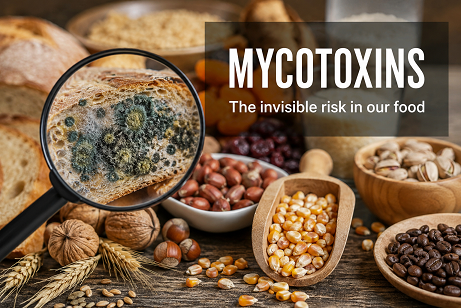
Yes – often naturally. The organic acids produced during fermentation help slow the growth of mold and delay staling.
This means authentic sourdough often stays fresh longer without relying on artificial preservatives. Proper storage remains important, but many people notice that good sourdough keeps its quality for several days.
How to Recognize High-Quality Sourdough
A truly well-made sourdough loaf often has several characteristics:
- A short, simple ingredient list
- No unnecessary additives
- Long fermentation
- A pleasantly tangy aroma
- Thick, crisp crust
- Moist, open crumb with irregular air pockets
- Rich, complex flavor
- Good keeping quality without preservatives
If purchasing from a bakery, don’t hesitate to ask how the bread is made. A reputable artisan baker is usually happy to explain their fermentation process.
The Bottom Line
Sourdough bread is not a miracle food, but authentic sourdough is more than just bread that has risen naturally. Its slow fermentation can improve flavor, texture, mineral availability, and digestibility while reducing the need for many additives used in industrial baking.
The key is knowing how to distinguish genuine sourdough from products that simply use the name as a marketing tool. Look for a short ingredient list, minimal processing, and traditional fermentation methods rather than long lists of improvers and preservatives.
When choosing bread, remember that quality isn’t determined by the word “sourdough” on the front of the package – it’s determined by what happens behind the scenes, from the ingredients used to the time and care invested in the fermentation process.




Leave Your Opinion