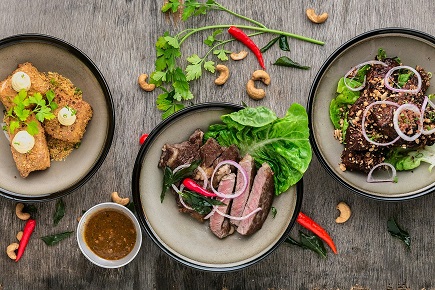
Every day, millions of people eat food that looks, smells, and tastes perfectly normal – yet end up with food poisoning.
Why?
Because harmful microorganisms are invisible to the naked eye, and some of them leave behind dangerous toxins that cooking cannot destroy.
The good news is that most foodborne illnesses are preventable. Understanding the basic causes is the first step toward protecting yourself and your family.
What Are Foodborne Diseases?
Foodborne diseases (also called foodborne illnesses or food poisoning) are illnesses caused by eating contaminated food or drinks. Contamination can happen at any stage:
- During farming
- During food production
- While transporting food
- In supermarkets
- In restaurants
- In your own kitchen
Sometimes the illness is caused by living microorganisms. Other times, it’s caused by toxins they leave behind.
The Different Types of Microorganisms
Many people use the word “germs” for everything, but there are several different types of microorganisms that can contaminate food. Each behaves differently and causes illness in different ways.
1. Bacteria
Bacteria are tiny single-celled organisms. Some bacteria are extremely useful – they help make yogurt, cheese, sourdough bread, and fermented vegetables. Others can make us seriously ill. Examples include:
- Salmonella
- Listeria monocytogenes
- Escherichia coli (E. coli)
- Campylobacter
- Staphylococcus aureus
They may cause:
- nausea
- vomiting
- diarrhea
- stomach cramps
- fever
Some infections can become severe, especially in infants, elderly people, pregnant women, and those with weakened immune systems.
2. Viruses
Viruses are much smaller than bacteria. Unlike bacteria, they cannot multiply in food – they need living human cells to reproduce. However, contaminated food or water can easily carry viruses from one person to another. Common examples include:
- Norovirus
- Hepatitis A virus
These often spread through:
- poor hand hygiene
- contaminated water
- infected food handlers
3. Yeasts
Yeasts are microscopic fungi. Most are harmless and even beneficial. They are responsible for making:
- bread rise
- beer
- wine
- some fermented foods
Yeasts usually spoil food rather than cause food poisoning. Spoiled food may develop:
- unusual smells
- gas
- bubbles
- off-flavors
Although yeasts rarely cause foodborne illness in healthy people, spoiled food should not be eaten.
4. Molds (Fungi)
Molds are another type of fungus. You’ve probably seen fuzzy green, white, blue, or black patches growing on old bread or fruit. Some molds are intentionally used to make foods like:
- blue cheese
- Brie
- Camembert
Others produce dangerous substances called mycotoxins. These toxins may contaminate:
- grains
- nuts
- corn
- dried fruits
- spices
Unlike the mold itself, many mycotoxins survive cooking and can remain in food even after heating.
5. Parasites
Parasites are living organisms that survive by living inside another organism. Some are microscopic, while others are much larger. Foodborne parasites may come from:
- undercooked meat
- raw fish
- contaminated vegetables
- unsafe drinking water
Examples include:
- Toxoplasma gondii
- Giardia
- Cryptosporidium
- tapeworms
Symptoms vary widely but often include digestive problems that may last for weeks.
Bacteria vs. Toxins: An Important Difference
One of the biggest misconceptions about food safety is: “If I cook it well, it becomes safe.” Sometimes that’s true. Sometimes it isn’t. There are two different situations.
The bacteria are still alive
In many cases, proper cooking kills harmful bacteria.
If the food has only recently become contaminated, thorough cooking may significantly reduce the risk.
The bacteria have already produced toxins
Some bacteria produce poisons called toxins while growing in food. These toxins can remain dangerous even after the bacteria themselves are killed. This means:
You can cook the food thoroughly… The bacteria die… But the toxins remain.
And those toxins can still make you sick.
Which Bacteria Produce Heat-Stable Toxins?
Some well-known examples include:
Staphylococcus aureus.
May grow in foods left at room temperature, especially:
- salads
- sandwiches
- pastries
- cream-filled desserts
It produces toxins that often survive cooking. Symptoms usually begin quickly:
- sudden vomiting
- nausea
- stomach cramps
Bacillus cereus
Often associated with:
- cooked rice
- pasta
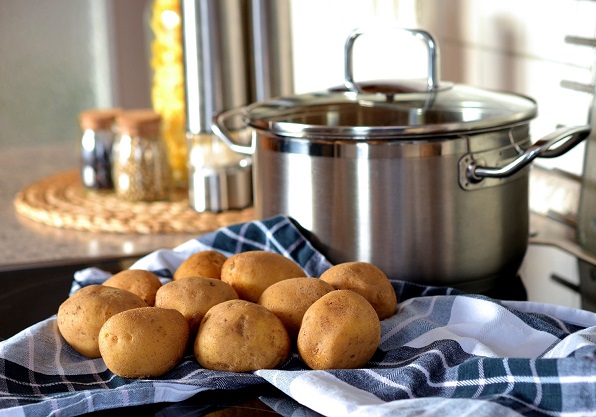
- potatoes
When cooked foods are left warm for several hours, this bacterium can multiply and produce toxins.
Reheating the food may kill the bacteria, but not always the toxin.
Why Food Can Look Perfectly Safe
Many harmful microorganisms do not change:
- taste
- smell
- color
- appearance
Food may seem completely fresh while containing millions of bacteria. This is why food safety cannot rely on smell alone.
Who Is Most at Risk?
Although anyone can develop food poisoning, some people are more vulnerable:
- babies and young children
- pregnant women
- older adults
- people with weakened immune systems
- individuals with chronic illnesses
For these groups, even mild contamination can lead to serious illness.
How Can You Reduce the Risk?
Fortunately, foodborne diseases are often preventable. Simple habits make a huge difference:
- Wash your hands before preparing food.
- Keep raw meat separate from ready-to-eat foods.
- Cook foods to safe temperatures.
- Refrigerate leftovers promptly.
- Do not leave cooked food at room temperature for long periods.
- Wash fruits and vegetables.
- Pay attention to expiration dates and storage instructions.
- Avoid eating food that has been stored improperly.
Good food safety starts long before food reaches your plate, but it also continues in your kitchen.
The Bottom Line
Foodborne diseases are caused by a variety of invisible hazards, including bacteria, viruses, molds, yeasts, and parasites. While many microorganisms are harmless or even beneficial, others can cause serious illness.
Perhaps the most important lesson is this: killing bacteria does not always make food safe. Some bacteria produce toxins that survive cooking and can still cause food poisoning.
Understanding these basics helps explain why proper food handling, storage, and hygiene matter just as much as cooking. Food safety isn’t about fear – it’s about knowing how to make informed choices that protect your health every day.

Leave Your Opinion