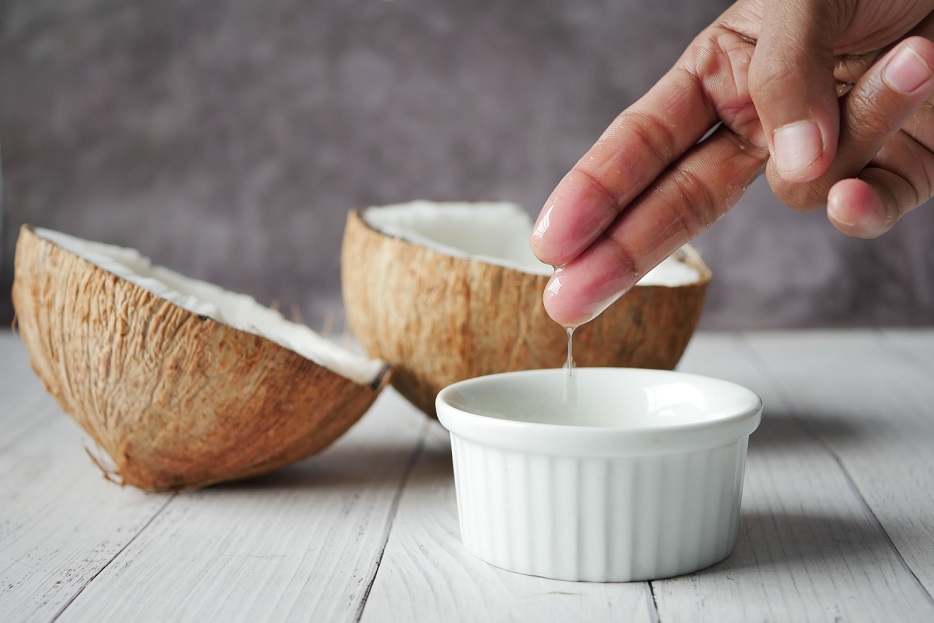
Coconut oil has experienced a remarkable transformation over the past few decades. Once criticized for its high saturated fat content, it later became one of the most celebrated “superfoods” in the wellness industry. Today, opinions remain divided. Some praise it for its unique fatty acid composition and culinary versatility, while others warn about its impact on cholesterol levels.
So where does the truth lie?
Like many foods, coconut oil is neither a miracle cure nor a nutritional villain. Understanding how it is produced, what it contains, and how it behaves in the body can help you make informed choices.
What Is Coconut Oil?
Coconut oil is extracted from the white flesh (kernel) of mature coconuts (Cocos nucifera).
Unlike most vegetable oils, coconut oil is composed predominantly of saturated fatty acids, making it solid at room temperature in cooler climates and highly resistant to oxidation during storage and cooking.
Its composition differs significantly from oils such as olive, sunflower, canola, or soybean oil.
Approximately:
- 45–53% lauric acid
- 16–21% myristic acid
- 8–10% palmitic acid
- 5–10% caprylic and capric acids
- Small amounts of oleic and linoleic acids
This unique fatty acid profile explains both its potential benefits and its limitations.
How Coconut Oil Is Produced
Not all coconut oils are created equally. The production method has a major impact on flavor, aroma, nutritional quality, and shelf life.
Virgin (Extra Virgin) Coconut Oil
Virgin coconut oil is produced from fresh coconut meat. The fresh kernel is:
- grated
- pressed
- or centrifuged
without chemical refining.
Depending on the manufacturer, the oil may be extracted using:
- cold pressing
- wet milling
- fermentation
- centrifugation
Minimal processing preserves much of the coconut aroma and small amounts of naturally occurring polyphenols and antioxidants. This is generally considered the highest-quality form.
Refined Coconut Oil
Refined coconut oil is usually produced from dried coconut meat called copra. The process often includes:
- drying
- pressing
- bleaching
- deodorizing
- filtration
Some manufacturers also use chemical solvents to maximize oil extraction. The final product has:
- little or no coconut flavor
- higher smoke point
- longer shelf life
However, refining removes many minor bioactive compounds present in virgin oil.
Why Coconut Oil Lasts So Long
One of coconut oil’s greatest advantages is its exceptional stability. Most cooking oils are rich in unsaturated fats that oxidize relatively easily when exposed to:
- heat
- oxygen
- light
Oxidized fats may develop off-flavors and undesirable compounds. Because coconut oil contains mostly saturated fats, it is far less prone to oxidation. This makes it one of the most shelf-stable edible oils available.
What Makes Coconut Oil Different?
Unlike most saturated fats, coconut oil contains a significant proportion of medium-chain triglycerides (MCTs). These include:
- caprylic acid
- capric acid
- lauric acid (although lauric acid behaves somewhat differently from shorter MCTs)
Medium-chain fats are absorbed differently than long-chain fats.
Instead of requiring extensive digestion and transport through the lymphatic system, many medium-chain fats travel directly to the liver, where they are rapidly used as an energy source. This characteristic has generated considerable scientific interest.
Potential Health Benefits
1. Quick Energy Source
Because medium-chain fats are metabolized relatively rapidly, coconut oil may provide a quick source of energy. This is why MCT-containing oils are sometimes used:
- in sports nutrition
- in medical nutrition
- for patients with fat-malabsorption disorders
However, commercial MCT oil is not the same as coconut oil.
2. High Heat Stability
Virgin coconut oil performs well during:
- sautéing
- baking
- moderate frying
Its resistance to oxidation makes it more stable than many highly unsaturated vegetable oils when exposed to heat.
3. Antimicrobial Properties
Lauric acid can be converted in the body into monolaurin, a compound that has demonstrated antimicrobial activity against certain bacteria, viruses, and fungi in laboratory studies.
However, laboratory findings should not be interpreted as proof that coconut oil prevents infections in everyday life. More human research is needed.
4. Long Shelf Life
Because it resists oxidation so well, coconut oil can remain stable for many months when stored properly. This makes it useful for home cooking and food manufacturing.
The Cholesterol Debate
Perhaps the biggest controversy surrounding coconut oil concerns heart health. Coconut oil contains approximately 90% saturated fat – more than butter.
Scientific studies consistently show that coconut oil tends to increase LDL cholesterol (“bad” cholesterol). At the same time, it often raises HDL cholesterol (“good” cholesterol) as well. Whether this overall effect is beneficial remains uncertain.
Most major cardiovascular organizations recommend replacing a significant portion of saturated fats with unsaturated fats from sources such as:
- olive oil
- nuts
- seeds
- avocados
For people with existing cardiovascular disease or elevated LDL cholesterol, moderation is especially important.
Coconut Oil and Weight Loss
One of the biggest marketing claims is that coconut oil accelerates metabolism and burns fat. The reality is more nuanced.
Pure MCT oil has demonstrated modest effects on satiety and energy expenditure in some studies. However Coconut oil contains far less MCT than purified MCT oil.
Current evidence does not support coconut oil as a significant weight-loss aid. It still provides approximately 120 calories per tablespoon. Overconsumption can easily contribute to excess calorie intake.
Coconut Oil in the Kitchen
One reason many home cooks love coconut oil is its versatility. It works well for:
- roasting vegetables
- stir-frying
- baking
- homemade granola
- curries
- soups
- dairy-free desserts
- smoothies (in moderation)
Virgin coconut oil adds a pleasant coconut aroma, while refined coconut oil has a neutral taste.
Coconut Oil in Food Manufacturing
The food industry values coconut oil because it is:
- inexpensive compared with cocoa butter
- highly stable
- naturally semi-solid
- resistant to rancidity
It is commonly used in:
- confectionery
- chocolate coatings
- vegan cheeses
- coffee creamers
- bakery products
- snack foods
- ice cream
- plant-based desserts
Consumers often don’t realize how widely coconut oil is used in processed foods.
What Should You Look for on the Label?
If you’re buying coconut oil, consider these factors:
Choose:
- Virgin or Extra Virgin
- Cold-pressed (when possible)
- Unrefined
- Organic (optional, depending on your preference)
Be cautious if the label simply states:
- “vegetable oil”
- “coconut fat”
- “hydrogenated coconut oil”
Hydrogenated coconut oil contains trans fats, which are strongly associated with increased cardiovascular risk. Fortunately, it has become much less common in many countries due to regulatory restrictions.
Is Coconut Oil Better Than Palm Oil?
These oils are often compared because both are high in saturated fats.
Palm oil:
- contains more palmitic acid
- is linked to major environmental concerns due to deforestation in some producing regions
- is heavily used in ultra-processed foods
Coconut oil:
- contains more medium-chain fatty acids
- is generally more stable
- has a distinct flavor (unless refined)
- is usually produced on a smaller scale
Neither should be viewed as a health food simply because it comes from plants.
Who Should Be Careful?
Moderation is especially advisable for people with:
- elevated LDL cholesterol
- familial hypercholesterolemia
- established cardiovascular disease
- diets already high in saturated fat
For healthy individuals, small amounts used as part of a balanced diet are unlikely to pose significant problems.
The Bottom Line
Coconut oil occupies a unique place in nutrition. Its exceptional stability, pleasant flavor, and distinctive fatty acid profile make it a useful ingredient in many kitchens.
At the same time, its very high saturated fat content means it should not replace healthier unsaturated oils such as extra virgin olive oil for everyday use.
Rather than viewing coconut oil as either a miracle superfood or a dangerous ingredient, it is best understood as one tool among many in a balanced diet.
As with most aspects of nutrition, the overall quality of your dietary pattern matters far more than any single ingredient.



Leave Your Opinion