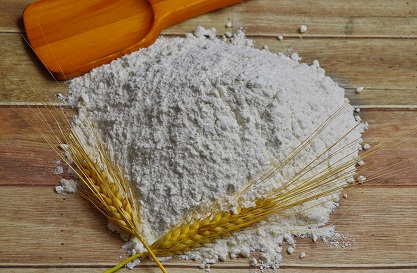
When you think of flour, you probably imagine something pure, simple, and wholesome… just ground grain, right? Unfortunately, the reality of modern white flour is far more complex and concerning.
To make flour last longer on shelves and look more appealing to consumers, food manufacturers strip away the parts of the grain richest in nutrients: the bran and the germ. What remains is mostly starch, devoid of the fiber, vitamins, and minerals your body needs. But it doesn’t stop there. To get that bright white color and soft texture, the flour goes through chemical bleaching.
Here’s a closer look at some of the most common (and alarming) chemicals used in the bleaching process.
1. Potassium Bromate (E924): Fluffiness at a Cost
Potassium bromate helps create light, airy bread—but at a high price. Animal studies have linked it to kidney and thyroid cancers. Though it transforms into a less harmful compound (potassium bromide) at high baking temperatures, the risk remains if the conversion is incomplete
2. Chlorine Dioxide (E926): The Vitamin Killer
Used as a powerful bleaching and antimicrobial agent, chlorine dioxide leaves behind flour that’s whiter—but also stripped of essential nutrients like vitamin E and healthy fats. Animal studies showed signs of vitamin E deficiency in those fed bread made with E926-treated flour.
3. Benzoyl Peroxide (E928): From Acne Cream to Your Loaf
Yes, the same substance used in acne treatment is also used to bleach flour. It gives flour a whiter appearance and looser texture. However, benzoyl peroxide in its pure form is considered a carcinogen, meaning it can potentially cause cancer.
4. Ammonium Persulfate (E923): Hazardous but Still Used
This chemical is classified as a hazard for the skin, eyes, and lungs. It has been known to trigger asthma attacks upon inhalation. Though officially banned in food production globally, it can still be found in some baked goods, soft drinks, and confections as a dough enhancer or glaze agent.
5. Alloxan: A Tool for Inducing Diabetes in Lab Animals
Alloxan is not typically listed as a food additive, but concerns have been raised about its potential presence in some bleached flours. It’s used in labs to induce diabetes in animals for medical studies by destroying pancreatic cells.
- Believed to be less harmful to humans, but risks are still debated
So, What’s Left in White Flour?
In essence, what you’re getting is mostly starch—at best, nutritionally empty; at worst, chemically compromised. While these additives may make your bread fluffier and your cake lighter, they’re stripping away what makes flour truly healthy.
Choose Whole Grain When You Can
Switching to whole grain or stone-ground flours helps you avoid unnecessary chemicals and retain important nutrients like fiber, iron, B vitamins, and antioxidants. Whole grain flour is less processed and far closer to the food your body recognizes and thrives on.


Leave Your Opinion