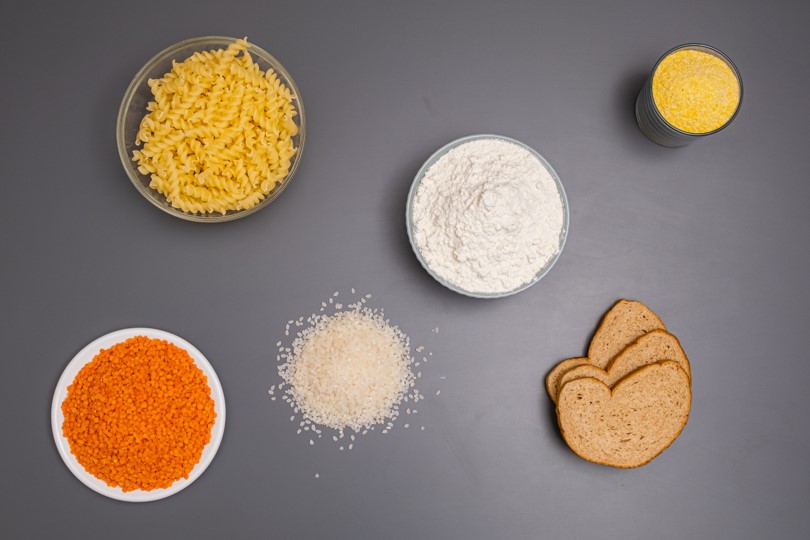
Potatoes, bread, pasta, rice, breakfast cereals, pastries – starch has become one of the foundations of the modern diet. In many countries, potatoes are even called the “second bread,” highlighting just how central starchy foods have become to everyday eating.
But have you ever wondered how your body actually digests starch, and whether eating large amounts of highly processed starches every day is really ideal for long-term health?
What Is Starch?
Starch is the primary storage carbohydrate in plants. Foods such as potatoes, wheat, corn, rice, and legumes contain large amounts of it.
Unlike simple sugars, starch is a complex carbohydrate. Before your body can use it for energy, digestive enzymes must gradually break it down into glucose.
This process is remarkably efficient in healthy individuals, but it also requires a well-functioning digestive system and an adequate supply of nutrients involved in carbohydrate metabolism.
Not All Starches Are Created Equal
The way starch affects the body depends greatly on its source and how it is prepared.
Whole-food sources such as beans, lentils, sweet potatoes, and intact grains contain:
- fiber
- vitamins
- minerals
- antioxidants
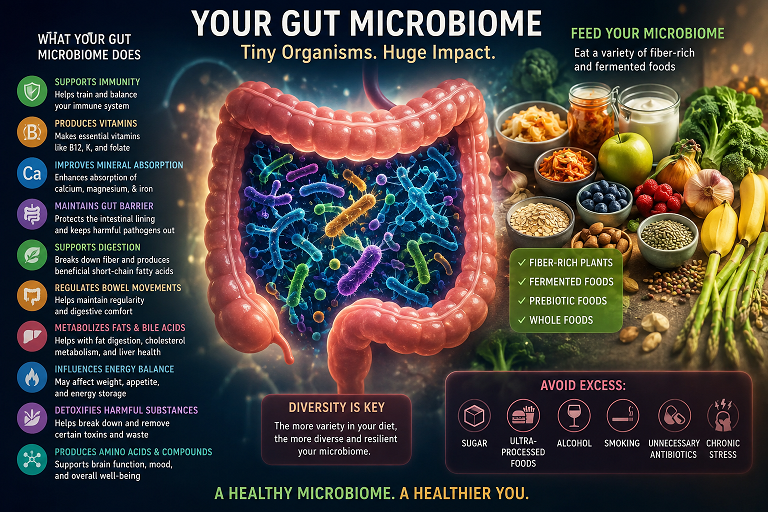
- resistant starch that supports beneficial gut bacteria
Highly refined starches, on the other hand, often lose much of their natural fiber and micronutrients during processing. White bread, pastries, crackers, chips, and many ultra-processed foods digest more rapidly and can produce sharper rises in blood sugar.
The issue may not be starch itself but the degree of processing.
Why Processing Matters
When grains are milled into fine flour, their natural structure changes dramatically.
This makes starch easier to digest but also increases its glycemic impact. Many processed foods combine refined starch with added fats, sugars, salt, and flavor enhancers, creating products that are highly palatable and easy to overconsume.
These foods provide plenty of calories while often delivering relatively little nutritional value.
Starch, Digestion, and Gut Health
Some alternative health theories suggest that cooked starch forms sticky masses that coat the digestive tract and prevent nutrient absorption.
Current scientific evidence does not support this idea. In healthy people, starch is normally broken down efficiently by digestive enzymes.
However, excessive intake of low-fiber refined starches may still negatively influence digestive health by:
- reducing dietary fiber intake
- altering gut microbiota composition
- contributing to constipation in some individuals
- replacing more nutrient-dense whole foods
On the other hand, resistant starch found in foods such as cooled potatoes, legumes, oats, and green bananas may actually support beneficial gut bacteria and improve colon health.
Can High-Starch Diets Affect Metabolic Health?
Large amounts of refined starches may contribute to:
- frequent blood sugar spikes
- higher insulin demand
- increased hunger shortly after eating
- gradual weight gain
- elevated risk of insulin resistance in susceptible individuals
Research consistently shows that dietary patterns emphasizing whole foods rather than refined carbohydrates are associated with better metabolic health.
What About Cancer?
Some alternative health practitioners have linked starch directly to cancer development.
Current scientific evidence does not support the claim that starch itself causes cancer.
However, diets high in ultra-processed foods, refined carbohydrates, obesity-promoting foods, and low in fruits, vegetables, legumes, and whole grains have been associated with an increased risk of several chronic diseases, including certain cancers.
The concern is less about starch itself and more about the overall dietary pattern.
A Smarter Approach to Starchy Foods
There is little reason to fear natural starch-containing foods. Instead, focus on improving the quality of the starches you eat.
A balanced approach includes:
- choosing whole grains over refined flour products
- eating more legumes
- including plenty of vegetables alongside starchy foods
- limiting ultra-processed snacks and baked goods
- watching portion sizes
- balancing carbohydrates with protein, healthy fats, and fiber
The Bottom Line
Starch is neither a miracle food nor a dietary villain.
Whole-food sources of starch have nourished civilizations for thousands of years and remain an important part of many healthy dietary patterns. The greater challenge today is not starch itself – it is the dominance of highly processed, refined starch products that often replace more nutritious foods.
Rather than eliminating starch completely, it may be wiser to focus on choosing foods that remain as close to their natural form as possible.
Sometimes improving health isn’t about eating less – it is about choosing better.


Leave Your Opinion