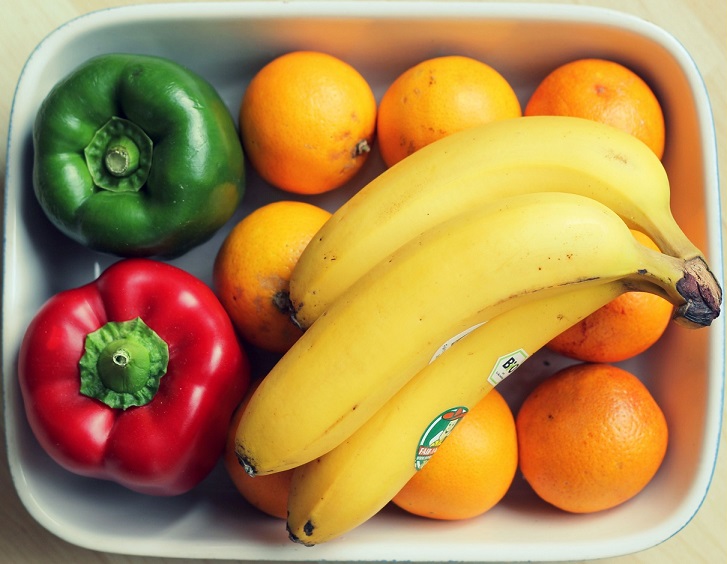
Walk through any health food store or browse wellness blogs, and you’ll likely come across the idea that fruits and vegetables should not be eaten together. According to food-combining theories, different foods require different digestive enzymes, and mixing them may lead to bloating, fermentation, poor digestion, and reduced nutrient absorption.
But is there any truth to this claim?
Let’s take a closer look at the concept of fruit and vegetable combining and what it may mean for your digestive health.
Why Some People Avoid Mixing Fruits and Vegetables
The theory behind food combining is relatively simple.
Fruits and vegetables contain different proportions of carbohydrates, fiber, acids, water, and other compounds. Advocates of food combining suggest that each type of food requires specific digestive conditions and enzymes. When many different foods are eaten together, digestion may become less efficient, potentially leading to discomfort.
Common symptoms often attributed to poor food combinations include:
- Bloating
- Gas
- Stomach heaviness
- Digestive discomfort
- Temporary fatigue after meals
For example, some food-combining systems suggest that eating sweet fruits such as bananas or mangoes immediately after certain vegetables may contribute to fermentation and digestive discomfort in sensitive individuals.
How Digestion Actually Works
Modern digestive physiology shows that the human digestive system is remarkably adaptable.
The stomach, pancreas, liver, and intestines routinely release multiple digestive enzymes simultaneously. Humans evolved to consume mixed meals, and the digestive tract is generally capable of processing a variety of foods at the same time.
However, this does not mean everyone digests mixed meals equally well.
Some individuals may experience digestive discomfort after large, complex meals – not necessarily because fruits and vegetables are incompatible, but because:
- The meal is very large
- Fiber intake is suddenly increased
- Certain foods trigger individual sensitivities
- Digestion is already compromised by stress or underlying conditions
In these cases, simplifying meals may help identify which foods are causing symptoms.
Why Some People Feel Better Eating Fruits Separately
Many people report improved digestion when they eat fruit on its own, especially:
- First thing in the morning
- Between meals
- As a light snack
There are several possible reasons for this:
- Fruit is generally digested relatively quickly.
- Eating fruit separately may reduce meal size.
- Simpler meals are often easier to tolerate.
- Separating foods can help identify personal triggers.
This doesn’t necessarily mean fruits and vegetables should never be combined. Rather, it highlights that individual digestive responses vary.
What About Raw Food Diets?
Food-combining principles are particularly common in raw food and natural health communities.
During the transition to a diet rich in fresh fruits and vegetables, many people prepare:
- Smoothies
- Salads
- Raw soups
- Fruit-based desserts
- Vegetable snacks
For those moving away from highly processed foods, increasing overall plant intake often produces positive changes regardless of specific food combinations.
As digestive health improves, some people naturally begin experimenting with simpler meals and discover which combinations work best for them personally.
The Role of Enzymes in Fruits and Vegetables
One argument frequently used by food-combining advocates is that fruits and vegetables contain natural enzymes that assist digestion.
While many plant foods do contain enzymes, most digestion in humans relies on enzymes produced by the body itself. Stomach acid and digestive enzymes from the pancreas perform the majority of digestive work.
Nevertheless, fresh fruits and vegetables provide benefits that support digestion, including:
- Dietary fiber
- Water
- Antioxidants
- Phytonutrients
- Prebiotic compounds
These components help support a healthy gut environment regardless of whether foods are eaten separately or together.
A Practical Approach to Food Combining
Instead of following strict rules, it may be more helpful to pay attention to your body’s individual responses.
You may want to experiment with:
- Eating fruit separately if it feels more comfortable
- Allowing 15–30 minutes between fruit and heavier meals
- Choosing simpler meals if you experience bloating
- Gradually increasing fiber intake
- Chewing thoroughly and eating mindfully
Digestive comfort often depends more on meal size, stress levels, food quality, and overall dietary patterns than on any single food combination.
The Bottom Line
The idea that fruits and vegetables should never be mixed remains controversial. While modern science does not support strict food-combining rules for most healthy people, some individuals may find that eating fruits and vegetables separately improves digestive comfort.
Rather than focusing on rigid dietary rules, consider observing how different foods make you feel. Fresh fruits and vegetables are among the most nutritious foods available, whether eaten alone or together.
The best approach is often the one that supports both good digestion and long-term enjoyment of healthy eating.



Leave Your Opinion