
When we think about food, we usually focus on measurable things: calories, protein, carbohydrates, fats, vitamins, and minerals. Modern nutrition science has taught us to analyze food through its chemical composition, and these factors certainly matter.
But many traditional cultures have long believed that food nourishes us in another way as well – through its vitality, freshness, and energetic quality.
Could there be more to food than what appears on a nutrition label?
The Difference Between Living Food and Manufactured Food
One of the most interesting observations in nutrition is that two foods can contain similar nutrients on paper yet seem to affect people very differently.
Freshly harvested fruits, vegetables, herbs, nuts, and seeds often leave us feeling energized, refreshed, and satisfied. Highly processed foods, despite being fortified with vitamins and minerals, may provide calories but often leave us craving more.
Many traditional healing systems describe this difference as the presence or absence of “life force” – the natural vitality found in living foods.
Whether we call it energy, vitality, freshness, or simply food quality, the concept points to something many people intuitively recognize: not all calories feel the same.
Freshness Matters
Have you ever noticed how different a tomato picked straight from the garden tastes compared to one that has spent weeks traveling through supply chains?
Or how a freshly picked apple seems more vibrant than one that has been stored for months?
As soon as a fruit or vegetable is harvested, natural biological processes begin to change. Nutrient levels gradually decline, flavors evolve, and freshness slowly diminishes.
This doesn’t mean stored produce is unhealthy, but it does highlight an important principle:
The closer food is to its natural state, the more of its original qualities it tends to retain.
How Processing Changes Food
Every step of food processing alters the original product.
Washing, cutting, heating, freezing, drying, refining, preserving, and packaging all influence food in different ways. Some processes improve safety and shelf life, while others can significantly reduce nutrient content or alter texture and flavor.
The more heavily processed a food becomes, the further it often moves from its original form.
This is one reason many nutrition experts encourage people to prioritize:
- Fresh fruits and vegetables
- Whole grains
- Legumes
- Nuts and seeds
- Minimally processed foods
These foods tend to provide not only nutrients but also fiber, phytochemicals, antioxidants, and the complex structures naturally found in whole foods.
Why Freshly Prepared Food Often Feels Different
Many people believe food tastes best shortly after it is prepared.
Part of this is explained by science. Aromas, textures, and certain nutrients begin to change immediately after cooking. Freshly prepared meals often provide a sensory experience that stored leftovers cannot fully replicate.
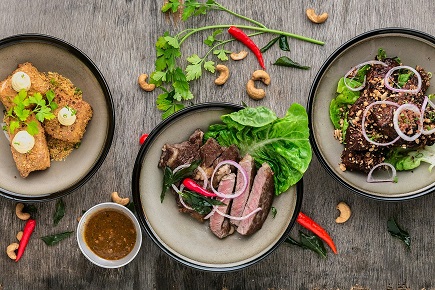
This may explain why home-cooked meals often feel more satisfying than reheated convenience foods, even when the ingredient lists are similar.
The Human Element in Cooking
Almost every culture has a saying about cooking with love.
While science cannot measure “love” as an ingredient, anyone who cooks regularly knows that attention, care, and intention influence the final result.
Meals prepared thoughtfully often involve:
- Better ingredient selection
- Greater attention to detail
- More balanced flavors
- Improved presentation
The act of preparing food can also strengthen social connections, making meals more enjoyable and meaningful.
In this sense, food nourishes more than the body—it can nourish relationships, traditions, and emotional well-being.
Are We Eating for Nutrition or Vitality?
Modern food systems have made food more accessible than ever before. Yet many people feel increasingly disconnected from where their food comes from.
We often choose products based on:
- Packaging
- Convenience
- Marketing claims
- Shelf life
Less attention is paid to freshness, seasonality, or how closely a food resembles its natural form.
Perhaps one of the most valuable questions we can ask is:
Not just “What nutrients does this food contain?” but also “How alive, fresh, and natural is this food?”
Final Thoughts
Whether or not one believes in the concept of “food energy,” there is growing recognition that food quality extends beyond calories and nutrient charts.
Fresh, whole, minimally processed foods consistently appear at the center of healthy dietary patterns around the world.
Maybe the true “energy” of food is not something mystical at all. Perhaps it is the combination of freshness, nutrient density, natural structure, and the care with which food is grown, prepared, and shared.
The closer food remains to its natural state, the closer we may come to the nourishment our bodies were designed to receive.



Leave Your Opinion