
The liver is one of the most remarkable organs in the human body. It performs hundreds of vital functions every day, yet it often receives attention only when serious problems appear.
Unlike many other organs, the liver rarely produces clear pain signals. In fact, it has very few pain receptors. Because of this, liver problems can develop quietly for years while the body tries to compensate.
This is why understanding the early signals of liver stress is so important.
Why Liver Problems Often Go Unnoticed
Many people assume that if their liver were unhealthy, it would hurt.
In reality, the opposite is often true. The liver may be under significant strain without causing obvious pain. Instead, the body may express subtle symptoms that are easy to overlook or attribute to everyday stress.
These signals may include:
- Persistent fatigue or low energy
- Irritability or mood changes
- A bitter taste in the mouth
- Increased sweating
- Skin changes such as stretch marks or follicular irritation
- Weight gain or difficulty losing weight
- Fluctuations in blood pressure
- Occasional discomfort in the chest area
These signs do not automatically mean liver disease, but they can indicate that the body’s detoxification systems are under pressure.
The Liver: The Body’s Main Detoxification System
Every day the liver acts as a powerful biological filter.
Its primary job is to process and neutralize substances that enter the body through food, medication, the environment, and metabolism.
Among the substances the liver must process are:
- Pharmaceutical drugs
- Alcohol
- Food additives and colorants
- Environmental pollutants
- Heavy metals
- Metabolic waste products
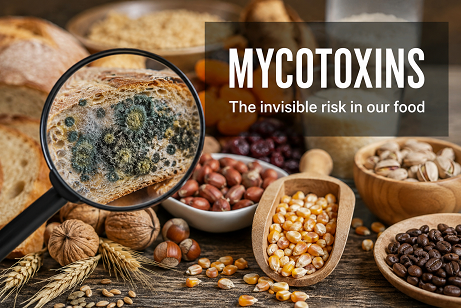
- Microbial toxins
This process happens continuously. The liver performs hundreds of chemical reactions every minute to keep the bloodstream safe.
Over time, however, modern lifestyles can place a significant burden on this system.
The Role of the Gallbladder
The liver does not work alone.
Its close partner, the gallbladder, stores and releases bile – a digestive fluid produced by the liver that helps break down fats and remove certain metabolic waste products.
When diet and lifestyle habits become imbalanced, bile can become thicker and less efficient. Over time, this may contribute to gallbladder dysfunction or the formation of gallstones.
Supporting the health of the liver therefore often means supporting the entire liver–gallbladder digestive system.
One of the Most Common Modern Liver Conditions
One condition that has become increasingly common worldwide is non-alcoholic fatty liver disease (NAFLD).
Many people discover it incidentally during routine medical imaging such as ultrasound.
In this condition, excess fat accumulates in liver cells. Early stages may produce few symptoms, which is why the condition is often detected later in life.
Risk factors may include:
- Excess calorie intake
- Highly processed foods
- Sedentary lifestyle
- Metabolic imbalance
- Chronic inflammation
The good news is that early stages of fatty liver are often reversible with appropriate lifestyle adjustments.
Supporting Liver Health: Where to Start
Rather than focusing on quick “detox” solutions, long-term liver health is usually supported through consistent daily habits.
Key areas include:
1. Nutrition quality
Whole foods rich in fiber, antioxidants, and micronutrients support metabolic balance.
2. Balanced fat and sugar intake
Excessive intake of refined carbohydrates and ultra-processed foods can place additional stress on liver metabolism.
3. Hydration
Adequate fluid intake helps support circulation and metabolic processes.
4. Physical activity
Regular movement improves metabolic flexibility and insulin sensitivity.
5. Sleep and stress management
Chronic stress and sleep disruption affect hormonal regulation and metabolic health.
Listening to the Body Earlier
The liver is often described as one of the body’s most resilient organs. It has an extraordinary ability to regenerate and adapt.
However, resilience should not be mistaken for invincibility.
When early signals appear – fatigue, metabolic imbalance, digestive discomfort – they may be invitations to reassess lifestyle patterns before more serious conditions develop.
Supporting liver health is less about drastic interventions and more about consistent alignment between nutrition, lifestyle, and metabolic health.
Small adjustments made early can often have the greatest long-term impact.




Leave Your Opinion