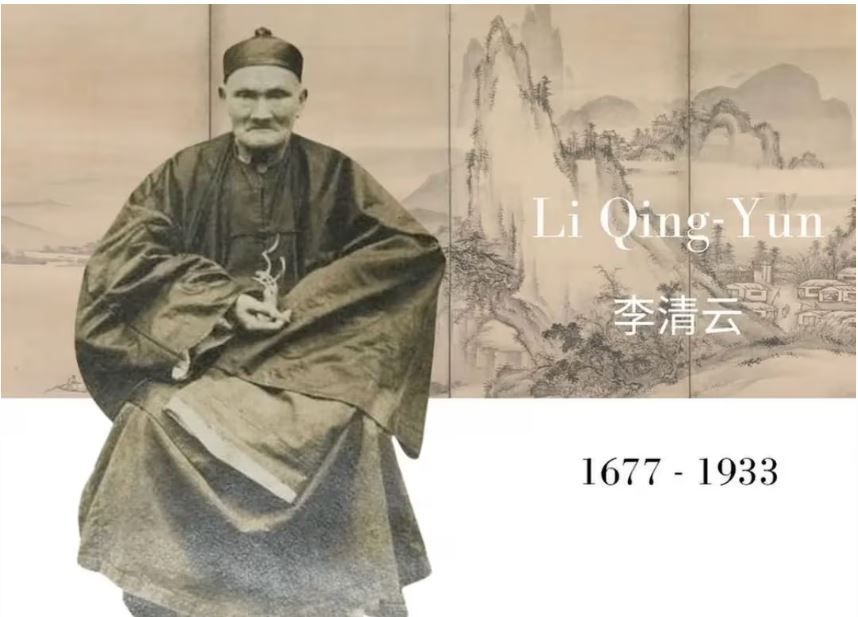
Stories about extreme longevity often sound like mythology. Yet one of the most fascinating accounts comes from China and continues to spark curiosity among historians, journalists, and health enthusiasts alike.
According to historical reports, a man named Li Ching-Yuen (Li Qingyun) may have lived for more than two centuries. While the exact truth behind the story remains debated, the ideas associated with his life offer a compelling perspective on longevity, lifestyle, and human health.
A Man Who Allegedly Lived for 256 Years
The story of Li Ching-Yuen gained international attention in the early 20th century. A 1930 article in The New York Times referenced research by Professor Wu Chung-chieh from Chengdu University, who claimed to have discovered Chinese imperial records congratulating Li on his 150th birthday in 1827 and his 200th birthday in 1877.
Local accounts described Li as someone who had lived in the region for generations. Elderly villagers reportedly recalled their own grandparents speaking about him as an adult when they themselves were children.
Whether taken as literal history or folklore, the story raises a fascinating question: What kind of lifestyle would allow someone to remain healthy for such a long time?
A Life Dedicated to Medicinal Herbs
Li Ching-Yuen was said to be an herbalist and trader in medicinal plants. According to the legend, he began collecting herbs in the mountains at the age of ten.
For decades he traveled across regions such as Gansu, Tibet, Shanxi, Siam, and Manchuria, studying plants and traditional medicine. His diet reportedly consisted largely of herbs and simple foods, including:
- Reishi mushroom (Lingzhi)
- Goji berries
- Wild ginseng
- He Shou Wu
- Gotu kola
- Rice wine
For roughly the first century of his life, he gathered and sold herbs himself. Later he continued selling medicinal plants collected by others.
Herbal medicine and plant-based nutrition were central to his lifestyle.
A Teacher, a Martial Artist, and a Curious Life
The stories about Li Ching-Yuen do not end with herbalism.
At the age of 71, he reportedly joined the Chinese army as a martial arts instructor. He was described as physically strong, mentally sharp, and unusually calm.
Legends surrounding his personal life are equally astonishing: some accounts claim he married 23 times and fathered more than 200 children.
Whether these numbers are literal or exaggerated, they reflect how extraordinary people believed his vitality to be.
The Secret of Longevity – According to Li
Shortly before his death, Li is said to have offered a simple explanation for his long life.
When asked about his secret, he reportedly replied:
“Keep a quiet heart, sit like a turtle, walk briskly like a pigeon, and sleep like a dog.”
In other words:
- Maintain inner calm
- Practice gentle but consistent movement
- Rest deeply
- Preserve emotional balance
He also emphasized breathing practices similar to qigong, a traditional Chinese system of controlled breathing, meditation, and slow movement designed to cultivate vitality.
Interestingly, he credited mental tranquility even more than diet.
Why the Story Is Difficult for Modern Minds
For people living in societies where the average lifespan is around 70–80 years, the idea of someone living for two centuries seems impossible.
But the story highlights an important contrast between traditional lifestyles and modern habits.
Consider the differences.
Many people today live with:
- Chronic stress
- Processed foods
- Sedentary routines
- Artificial lighting
- Limited sunlight
- Environmental pollution
- Poor sleep quality
In contrast, traditional lifestyles often included:
- Whole foods and medicinal plants
- Daily movement
- Time spent outdoors
- Strong circadian rhythms
- Lower stress levels
- Community connection
Even if the numbers in the legend are exaggerated, the underlying lifestyle principles remain meaningful.
Longevity Is More Than Just Diet
Modern wellness culture often searches for a single “miracle food” or supplement that can extend life.
But the story of Li Ching-Yuen suggests a different perspective.
Longevity may come from alignment between multiple factors:
- Nutrition
- Emotional balance
- Physical movement
- Breath and oxygenation
- Rest and recovery
- Connection with nature
Diet alone cannot compensate for chronic stress, poor sleep, or sedentary living.
Lessons We Can Take From the Legend
Whether Li Ching-Yuen lived 100 years, 200 years, or something in between, the philosophy associated with his life still offers valuable insights.
Several principles stand out:
1. Simplicity in nutrition
Whole foods and medicinal plants formed the foundation of his diet.
2. Calmness of mind
Emotional stability and inner peace were considered essential for health.
3. Gentle but consistent movement
Daily physical activity without extreme strain.
4. Breath and energy practices
Traditional breathing exercises aimed to strengthen both body and mind.
5. Living close to nature
Fresh air, sunlight, and natural rhythms supported vitality.
A Different Way to Think About Aging
Modern society often treats aging as something to fight or reverse.
Traditional cultures tended to see longevity differently – as the natural outcome of balance.
Perhaps the most interesting part of the legend is not the number of years Li may have lived, but the idea that health and vitality begin with lifestyle choices made every day.
Longevity may not be about discovering a miracle solution.
It may simply be about learning how to live in a way that supports the body rather than constantly working against it.



Leave Your Opinion