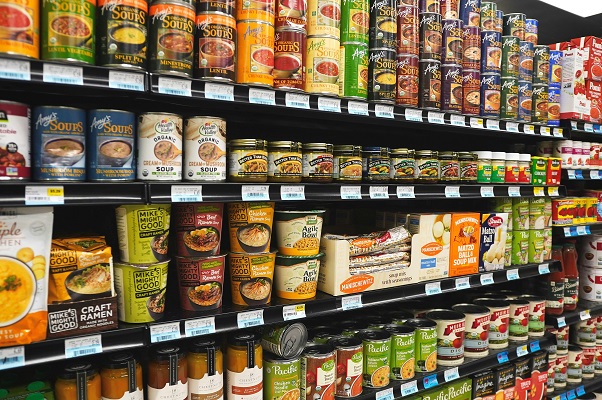
The word vegan has become almost synonymous with healthy. Vegan shelves are expanding, plant-based logos are everywhere, and many consumers assume that if a product contains no animal ingredients, it must be a better choice.
But is vegan food automatically healthy?
The honest answer is: not necessarily.
To understand why, we need to look beyond the dietary label and focus on processing, ingredients, and food structure.
Vegan Does Not Mean “Unprocessed”
A vegan diet can be based on:
- vegetables, fruits, legumes, whole grains, nuts, and seeds
or - refined starches, industrial oils, isolated proteins, flavor enhancers, and additives
Both options are vegan. Nutritionally, they are worlds apart.
Highly processed and ultra-processed foods can easily meet vegan criteria while still being nutritionally poor, metabolically disruptive, and misleadingly marketed as healthy.
The Rise of Ultra-Processed Vegan Foods
Modern vegan products often aim to replicate animal foods in taste, texture, and appearance. To do this, manufacturers rely heavily on food technology, not whole ingredients.
Common examples include:
- Vegan burgers and sausages
- Plant-based cheeses
- Dairy-free desserts
- Vegan snacks and ready meals
These products often contain:
- Refined vegetable oils (sunflower, rapeseed, palm)
- Isolated plant proteins (soy, pea, wheat)
- Modified starches
- Emulsifiers and stabilizers
- Flavor enhancers and artificial aromas
- Colorings and texture agents
While they may contain no animal products, they are far removed from whole plant foods.
Processing Matters More Than the Vegan Label
Food processing level is one of the strongest predictors of health impact.
Minimally processed vegan foods:
- vegetables and fruits
- legumes and whole grains
- nuts and seeds
- fermented plant foods
These support digestion, metabolic health, and nutrient balance.
Ultra-processed vegan foods:
- engineered for shelf life and hyper-palatability
- low in natural fiber structure
- high in refined fats and additives
- easy to overconsume
Studies consistently link high intake of ultra-processed foods, regardless of being vegan or not, to:
- obesity
- insulin resistance
- cardiovascular risk
- gut microbiota imbalance
“Plant-Based” Does Not Mean Low Sugar or Low Fat
Many vegan products compensate for the absence of animal fat and protein with:
- added sugars
- syrups and sweeteners
- refined starches
- high omega-6 vegetable oils
A vegan cookie, cake, or ice cream may be just as metabolically stressful as its non-vegan counterpart – sometimes even more so.
The absence of cholesterol or lactose does not automatically make a product supportive of health.
Additives Are Not Neutral Just Because Food Is Vegan
Vegan ultra-processed foods often rely on long ingredient lists to remain stable and appealing.
Common vegan additives include:
- emulsifiers (to replace dairy texture)
- thickeners and gums
- flavor enhancers (including MSG)
- colorings to imitate meat or cheese
- preservatives for shelf stability
Individually, many are approved as safe.
Cumulatively and chronically, their impact on digestion, satiety, and gut health is still being actively researched.
Nutrient Gaps Can Exist in Vegan Diets, Especially Processed Ones
Whole-food vegan diets can be well balanced when planned carefully.
Highly processed vegan diets often fall short in:
- bioavailable protein
- vitamin B12
- iron and zinc
- omega-3 fatty acids
- fat-soluble vitamins
Ultra-processed vegan foods may look nutritious on labels but lack nutrient density and biological value.
Vegan Food Can Be Ethical – But Ethics ≠ Nutrition
Ethical, environmental, and personal reasons for choosing vegan food are valid.
But ethical alignment does not guarantee physiological suitability.
Health is influenced by:
- ingredient quality
- degree of processing
- food structure
- frequency of consumption
A diet built around industrial vegan products can still be inflammatory, nutrient-poor, and metabolically challenging.
How to Think Critically About Vegan Food Choices
Instead of asking “Is it vegan?”, consider asking:
- How many ingredients does it contain?
- Are the ingredients recognizable?
- Is this food close to its natural form?
- Would I be able to cook this at home?
- Is it designed for nourishment or convenience?
A simple rule:
Whole vegan food supports health. Ultra-processed vegan food supports industry.



Leave Your Opinion