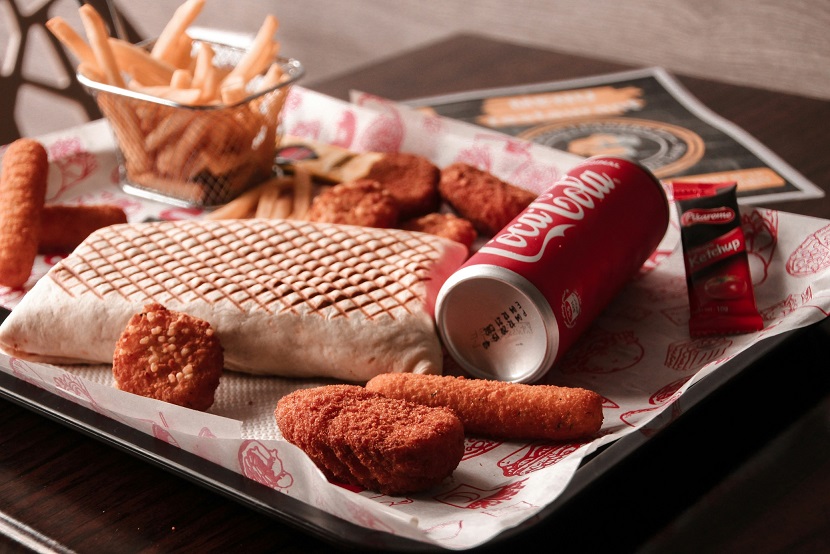
If you’ve ever turned a packaged food around and wondered why a simple product needs 20 or 30 ingredients, you’re not alone.
The answer isn’t accidental – it’s structural.
Ultra-processed foods are not just cooked or preserved foods. They are industrial formulations, designed to be stable, cheap, hyper-palatable, and consistent across millions of units. Each ingredient has a specific technological role.
Let’s look at why ultra-processed foods rely so heavily on additives and complex ingredient lists.
What Are Ultra-Processed Foods?
According to the NOVA classification system, ultra-processed foods are products made mostly from substances extracted from foods, modified ingredients, and additives, with little or no intact whole food left.
Examples include:
- Soft drinks
- Packaged snacks and sweets
- Ready meals
- Flavored yogurts
- Processed meats
- “Diet” and “zero-calorie” products
These foods are formulated, not simply prepared.
1. Shelf Life Comes First
Fresh food spoils.
Ultra-processed food must survive months or years on shelves, in warehouses, and during transport.
To achieve this, manufacturers rely on:
- Preservatives (to prevent microbial growth)
- Antioxidants (to slow fat oxidation)
- Acidity regulators (to control pH)
- Modified starches and stabilizers (to prevent separation)
Without these ingredients, many ultra-processed products would be unsafe or unmarketable.
2. Texture Has to Be Engineered
Remove real fat, fiber, or fresh ingredients and texture collapses.
To recreate mouthfeel, manufacturers add:
- Emulsifiers (to bind water and fat)
- Thickeners and gums (to add body)
- Modified starches (for stability after heating or freezing)
This is why two products with the same calories can feel completely different in your mouth.
3. Flavor Needs Reinforcement
When foods are refined, heated, and stored long-term, natural flavor compounds are lost.
To compensate, formulations include:
- Flavor enhancers (such as glutamates or yeast extracts)
- Natural and artificial flavorings
- Sweeteners to balance bitterness or acidity
The goal isn’t nutrition – it’s sensory consistency.
4. Color Signals Freshness (Even When It’s Not)
Consumers associate color with quality.
Ultra-processed foods often require color correction due to processing and storage.
This is why you’ll see:
- Natural or synthetic color additives
- Caramel coloring in drinks
- Whitening agents in dairy-like products
Color becomes a marketing signal, not a nutritional one.
5. Cost Optimization Drives Formulation
Ultra-processed foods are designed to be:
- Cheap to produce
- Stable at scale
- Predictable in performance
Replacing real ingredients with functional substitutes lowers cost and increases shelf life – but increases ingredient count. Each additive solves a technological problem created by removing real food.
Are All Additives Unsafe?
No.
Most approved food additives have passed regulatory safety assessments and serve important roles in food safety and stability. The issue is not one ingredient – it’s the cumulative effect of frequent consumption of highly formulated foods that were never meant to be dietary staples.
The Bigger Picture
Ultra-processed foods need many ingredients because:
- They are engineered for scale, not nourishment
- Real food is fragile; formulations are durable
- Sensory appeal must survive time, transport, and storage
Understanding this helps shift the conversation from fear to informed choice.
Sometimes, a shorter ingredient list isn’t about purity, it’s about less engineering.



Leave Your Opinion