Back in 1969, Soviet radiologists faced a curious problem while conducting experiments. They needed barium paste to remain in the stomach long enough to observe its behavior using the technology available at the time. However, they discovered that when the paste was served cold—straight from the refrigerator—it left the stomach much faster than expected, often before their equipment could capture meaningful data. This sparked further investigation, leading to an unexpected revelation.
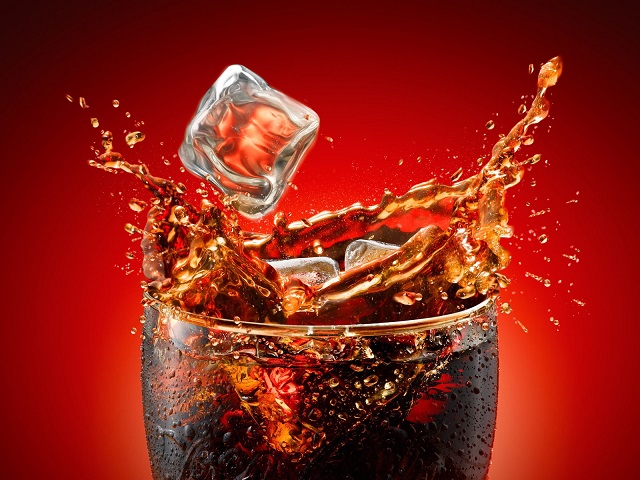
The researchers found that drinking cold beverages during meals, such as water or soda with ice, significantly reduced the time food stayed in the stomach. Normally, food remains in the stomach for about 4–5 hours, allowing it to undergo initial digestion. But when cold drinks were consumed, this period dropped dramatically to just 20 minutes! Essentially, cold liquids caused the stomach to push its contents into the intestines prematurely, which has several harmful effects.
Why Is This a Problem?
- Hunger Returns Quickly
When food doesn’t stay in the stomach long enough, you’re likely to feel hungry again much sooner. This can lead to overeating and, over time, weight gain. - Digestive Issues and Food Decay
The stomach plays a crucial role in preparing proteins for proper digestion. When cold drinks interfere with this process, proteins aren’t broken down into amino acids as they should be. Instead, improperly digested food moves to the intestines, where proteins begin to decay due to the body’s warm internal temperature of 36.6°C. This can lead to discomfort, bloating, and other digestive problems. - A Marketing Strategy?
Ever wonder why fast food chains like McDonald’s promote cold beverages so aggressively? Ice-cold soda pairs perfectly with their meals, but it also prevents you from feeling full for long. This strategy encourages repeat purchases, keeping customers coming back for more. In contrast, hot drinks like coffee and tea—less likely to interfere with digestion—are priced higher and receive far less marketing attention.
The Science of Cold Drinks and Digestion
The issue isn’t limited to soda; all cold beverages have this effect. The stomach needs to warm the liquid to body temperature before it can be absorbed. This delays the digestive process and disrupts the breakdown of proteins. Similarly, eating cold foods like ice cream after a meal produces the same result—improperly digested food is evacuated from the stomach too quickly, leading to rotting proteins in the intestines.
Debunking the Myth About Cold Water
Many people believe that cold water quenches thirst faster, but this is actually a misconception. Physiologists explain that cold water takes longer to absorb because the body must first bring it up to its core temperature. In contrast, room-temperature water is absorbed more quickly and is more effective at hydrating.
Tips for Better Digestion
To avoid these issues and improve digestion, consider these guidelines:
- Drink room-temperature or warm beverages with your meals.
- Avoid drinking cold water 30 minutes before or after eating.
- You can drink a small amount of room-temperature water 5–10 minutes before a meal to prepare your stomach for digestion.
By making these small adjustments, you’ll not only support better digestion but also avoid the potential health risks associated with consuming cold drinks and foods during meals.


Leave Your Opinion