
“All excess is contrary to nature” – Hippocrates
In Christian tradition, gluttony is recognized as one of the seven deadly sins. But why is overindulging in food considered so dangerous? Perhaps it’s because, for some, the act of eating transforms into the very purpose of their existence. Their motto becomes: “Life for food, not food for life!”
This mindset wastes an incredible amount of energy – not only in obtaining and consuming food but also in digesting it. Yet, isn’t there more to life than what’s on our plate?
Food plays a crucial role in sustaining us. It replenishes the energy we expend in our daily lives, and through it, we also connect with the world. Each meal carries information about the earth’s bounty, its seasons, and its diversity. The richer and more varied our diet, the broader our experience of the world.
When Eating Becomes a Substitute for Joy
For those consumed by gluttony, food becomes a substitute for deeper joys and fulfillment. It provides fleeting moments of satisfaction and happiness – intentions that, on the surface, seem harmless. After all, who doesn’t want to enjoy life?
However, this path comes with consequences. Overindulgence drains precious energy, leads to obesity and its health complications, and overshadows other meaningful ways to experience joy. But there’s another hidden aspect of gluttony, one that often goes unnoticed: its impact on the natural world.
The Aggression of Overindulgence
Excessive consumption—whether of plants, animals, or even inorganic resources—is an act of aggression against nature. When we eat simply to satisfy cravings rather than to replenish energy, we disrupt the delicate balance of life.
Nature operates in a cycle: what we take, we eventually give back. Our bodies will one day nourish other organisms, continuing the eternal flow of materials and energy on Earth. But when food becomes a source of obsessive pleasure, this natural order is thrown off balance.
Christians label this behavior as sinful, and it’s not hard to see why. The aggression we direct at the living and inanimate world boomerangs back in unexpected ways – illness, environmental destruction, or even accidents.
A Balanced Relationship with Food
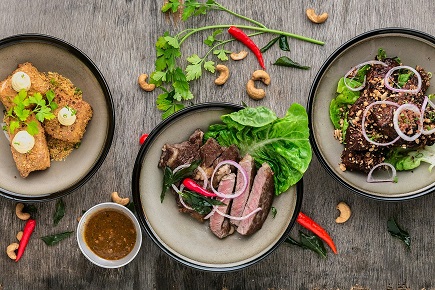
The solution isn’t to shun enjoyment altogether. There’s nothing wrong with savoring delicious, varied meals that energize the body and uplift the spirit. Food should nourish us in every sense – providing health, vitality, and moments of shared joy.
The key is balance. Prioritize “living” foods – those rich in natural energy – and appreciate the act of eating as one piece of life’s puzzle, not the whole picture. As the saying goes, “There is nothing better for a person than to eat, drink, and find enjoyment in their toil.”
But remember: there are countless other ways to experience joy and satisfaction. Eating is just one avenue. Life offers a banquet far greater than what’s on the table – let’s not miss it.



Leave Your Opinion