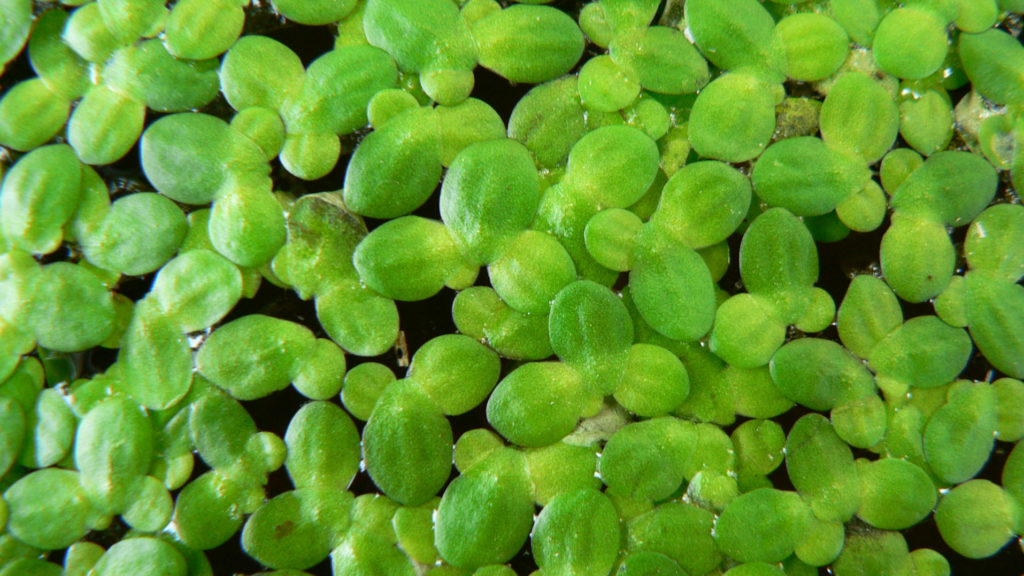
Duckweed grower and processor Parabel USA Inc recently announced the discovery of a natural plant source of vitamin B12 in a cultivated plant (Vegconomist, 2019). Independent third-party laboratory testing has confirmed that the duckweed protein contains bioactive adenosylcobalamin, methylcobalamin, and hydroxocobalamin.
Duckweed is a small, perennial aquatic plant found on the surface of standing waters. It has been found to contain approximately 750% of the U.S. recommended daily allowance of bioactive forms of vitamin B12 per 100 grams of dry plant.

With the rapid shift to plant-based diets, this critically important vitamin is receiving increasing attention. Natural, bioactive forms of vitamin B12 are produced exclusively by bacteria found in soil and water, from where they are ingested by animals. However, today, in the conditions of civilization, the earth’s resources are so depleted that both farm animals (through feed) and people (through these animals) consume only synthetic supplements of this vitamin. But now, it seems, everything has changed.
Aside from vitamin B12, duckweed is considered the richest source of nutrients in the world due to its high quality and content of protein, vitamins and minerals. A fast-growing duckweed culture can double its biomass in a matter of days, resulting in high yields and scalability for the rapidly developing plant-based nutrition.
Jeff Palmer, one of the 100 most influential vegans in the United States, according to Plant Based News, commented:
“I have reviewed the testing and am confident that the Parabel team has found bioactive vitamin B12 in their products. This could be a game changer for the plant-based community, as it will allow them to get bioactive, natural, whole B12 from a plant source.”
Dr. Matthew Van Ert, Chief Scientific Officer at Parabel, concludes:
“Parabel’s hydroponic systems represent a scalable and potentially revolutionary platform for producing highly nutritious plant-based products containing bioactive forms of vitamin B12. Together with our partners, we will begin bioavailability studies to determine the effectiveness of duckweed as a natural plant source to address vitamin B12 deficiency.”

Leave Your Opinion