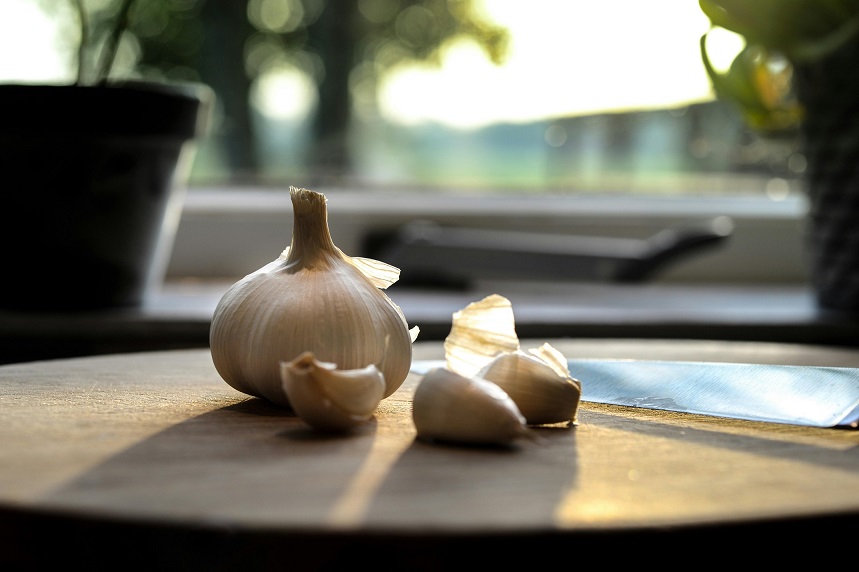
When you think of garlic, you probably picture its pungent aroma in your favorite dishes. But garlic is far more than a kitchen staple. It’s one of the most powerful natural remedies studied to date.
Researchers have linked garlic to the prevention and treatment of more than 150 different health conditions, including cancer, diabetes, atherosclerosis, DNA repair, and even mercury poisoning. Some scientists argue that if garlic were more widely used, both as food and as natural medicine, it could prevent millions of deaths every year.
According to the World Health Organization, many deaths in poorer countries result from infections, poor hygiene, malnutrition, and the emotional strain of poverty. Garlic, with its powerful anti-infective properties, offers a simple, affordable, and accessible solution, one people can even grow themselves.
Garlic vs. Infections
Garlic has been shown to kill or inhibit viruses, bacteria, and fungi linked to serious diseases. Studies have documented its activity against:
- Methicillin-resistant Staphylococcus aureus (MRSA)
- Candida infections (oral thrush)
- Pseudomonas aeruginosa (including resistant strains)
- Cytomegalovirus
- Helicobacter pylori (linked to ulcers and stomach cancer)
- Streptococcus (Group B)
- HIV, herpes simplex, influenza, and even tuberculosis-causing mycobacteria.
The list is long and growing. What’s striking is that, unlike conventional antibiotics that often fail against resistant strains, garlic shows broad-spectrum effectiveness without the same side effects.
Garlic and the Big Killers: Heart Disease & Cancer
Out of garlic’s many benefits, scientists focus most on two of the world’s leading causes of death: cardiovascular disease and cancer.
Garlic’s heart-protective effects include:
- Slowing the formation of arterial plaque
- Reducing blood pressure
- Preventing blood clotting
- Supporting healthy blood vessels
- Acting as an antioxidant to protect cells from damage
When it comes to cancer, studies show garlic compounds can kill cancer cells in a wide range of tumors, including breast, colon, stomach, cervical, pancreatic, and liver cancers.
How Can One Food Do So Much?
The secret lies in garlic’s complex mix of phytochemicals. Unlike single-compound drugs, garlic works on multiple pathways in the body at once, influencing at least 150 different physiological processes.
Plants and humans have co-evolved for millions of years. The fresh fruits and vegetables we eat don’t just provide calories, they carry genetic and epigenetic information that interacts with our cells. Garlic is a perfect example of this deep biological partnership between the plant and animal kingdoms.
The Takeaway
Garlic isn’t just a folk remedy. It’s a scientifically backed powerhouse with the potential to transform human health on a global scale.
Of course, that doesn’t mean garlic should replace medical treatment, but it’s a strong reminder: sometimes the most powerful medicine is already on our plates.
Adding garlic to your daily diet isn’t just about flavor, it’s about supporting your body on a molecular level, protecting your heart, fighting disease, and strengthening your health from the inside out.



Leave Your Opinion