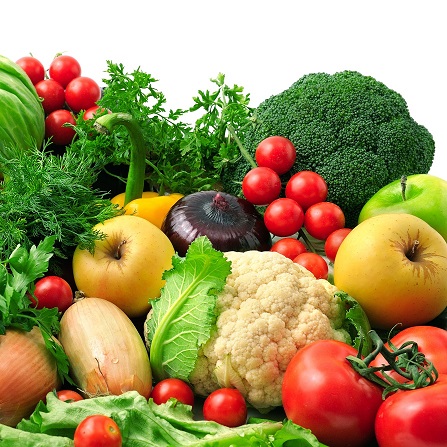
When it comes to eating plant-based, two questions often dominate the conversation: “Where do you get your protein?” and “What about calcium?” The latter often stems from a common myth that dairy is the sole key to bone health. Surprisingly, research reveals the opposite: dairy can sometimes harm bone health rather than help it. So, if not milk, where does calcium come from, and how do plant-based eaters maintain strong bones?
Why Calcium Isn’t Just About Consumption
Calcium plays a dual role in our bodies: about 99% of it is stored in bones, while the remaining 1% is crucial for muscle contraction, nerve signaling, and more. The body loses calcium every day through urine, sweat, and feces. When dietary calcium is insufficient, the body taps into the calcium reserves in bones to keep everything running smoothly.
But here’s the kicker: what truly matters isn’t just how much calcium you consume—it’s how much calcium your body retains. Certain lifestyle and dietary habits can either reduce calcium losses or exacerbate them, directly affecting bone health.
Calcium Loss: What You Need to Know
Several factors contribute to calcium loss, and not all sources of protein or food affect our bones equally. Here are some key insights:
- Animal Protein vs. Plant Protein: Diets rich in animal protein can increase calcium loss, while plant proteins have a gentler effect. This may explain why vegetarians often exhibit stronger bone density compared to meat eaters.
- Sodium and Caffeine: High-sodium diets and excessive caffeine consumption can also cause calcium depletion.
- Lifestyle Choices: Smoking is another significant culprit in weakening bones.
Restoring and Maintaining Bone Health Naturally
Building and maintaining strong bones goes beyond calcium. Here’s a holistic approach that leverages the power of plants and lifestyle changes:
- Physical Activity: Weight-bearing exercises, like walking, dancing, or resistance training, help stimulate bone growth and prevent calcium loss.
- Sunlight for Vitamin D: Vitamin D is essential for calcium absorption, and sunlight is a natural, free source.
- Calcium-Rich Plant Foods: A plant-based diet filled with fruits, green vegetables, and legumes is an excellent way to support your bone health. These foods not only provide calcium but also contain additional nutrients that support overall health.
The Best Plant-Based Sources of Calcium
You don’t need milk to meet your calcium needs—nature offers an abundance of plant-based options. Here’s a list of some calcium-rich stars:
- Leafy Greens:
- Kale: 180 mg per cup
- Beet greens: 250 mg per cup
- Cabbage: Over 350 mg per cup
- Legumes and Beans:
- Chickpeas: 125 mg per cup
- Adzuki beans: 65 mg per cup
- Soybeans: 175 mg per cup
- Nuts and Seeds:
- Poppy seeds: 253 mg per 2 tablespoons
- Tahini (sesame paste): 130 mg per 2 tablespoons
- Almond butter: 85 mg per 2 tablespoons
- Other Veggies:
- Broccoli: 95 mg per cup
- Fennel: 115 mg per medium bulb
- Carrots: 60 mg per 200 g
- Fruits:
- Oranges: 50–60 mg per medium fruit
- Dried figs: 120 mg per ½ cup
- Dried apricots: 35 mg per ½ cup
- Grains and Others:
- Amaranth: 275 mg per cup
- Artichokes: 55 mg per medium artichoke
Why Plants Win the Calcium Battle
Plants offer more than just calcium—they provide a host of vitamins, minerals, and antioxidants that contribute to better bone health. Additionally, plant-based diets tend to avoid calcium-draining elements like high sodium and animal protein, making them more effective in supporting bone density over time.
Stronger Bones, Naturally
Building healthy bones isn’t about drinking milk; it’s about adopting a balanced lifestyle and eating nutrient-dense, plant-based foods. By choosing calcium-rich plants and avoiding habits that lead to calcium loss, you can pave the way for stronger bones and a healthier you.



Leave Your Opinion