
In today’s fast-paced world, time is a luxury few can afford. We rush through our days, chasing deadlines and to-do lists, often at the expense of our health. Even those who embrace healthy eating habits—switching to plant-based diets, focusing on cleansing, or incorporating fresh produce—may still miss out on the full benefits of their efforts.
Why? The answer lies not in what you eat, but how you eat.
The Overlooked Secret: How You Chew Matters More Than You Think
When discussing healthy eating, the focus often falls on food choices: fruits, vegetables, grains, or superfoods. However, the real game-changer lies in an often-neglected aspect: chewing. The way you chew your food directly impacts digestion, nutrient absorption, and overall health.
How Many Chews Per Bite?
Have you ever counted how many times you chew each spoonful of food? Most people average about 10-30 chews. Imagine increasing that number to 120-160 chews for just one spoonful of salad! It might sound excessive, but the benefits of slowing down and chewing thoroughly are profound.
The Golden Rule of Eating:
- Hard food should be “drunk” (chewed until liquid).
- Liquid food should be “eaten” (savored and swirled in the mouth).
Failing to chew properly can lead to digestive problems, weight issues, and other health conditions. Let’s explore why thorough chewing is essential.
Why Proper Chewing Is Essential
1. Teeth: Your First Line of Digestion
Teeth mechanically break down food into smaller pieces, making it easier for your body to extract nutrients. Unchewed food passes through your digestive system undigested, either leaving the body unused or rotting internally, causing discomfort and potential health issues.
2. Saliva: Nature’s Digestive Powerhouse
Saliva plays a critical role in digestion. It contains enzymes like alpha-amylase and maltase that begin breaking down carbohydrates right in your mouth. Saliva also:
- Kills bacteria and viruses: Thanks to lysozymes, nucleases, and IgA antibodies.
- Prepares food for digestion: By softening, dissolving, and coating food for smooth passage into the stomach.
The longer food stays in your mouth, the more saliva can do its job, paving the way for better digestion and nutrient absorption.
The Dark Side of Sugar: Feeding the Enemy Within
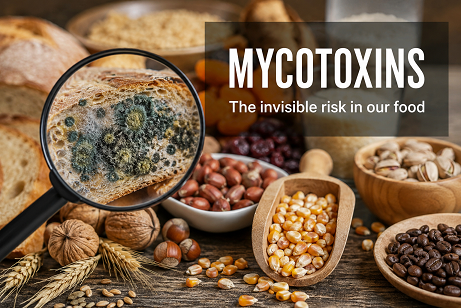
Craving sweets? You might be unknowingly feeding harmful fungi like Candida albicans, a yeast-like organism thriving on sugar and carbs. Excessive sugar consumption fosters an acidic environment in the gut, replacing healthy intestinal flora with harmful fungi.
The Scary Truth About Candida
Candida can trigger a range of health problems, including:
- Digestive issues: bloating, nausea, and irregular bowel movements.
- Skin problems: rashes, eczema, and fungal infections.
- Chronic fatigue, brain fog, and memory loss.
- Hormonal imbalances and infertility.
If your diet is rich in sugar, yeast, or processed carbs, you’re creating the perfect conditions for candida overgrowth.
What to Do: Starve the Fungi, Nourish Yourself
Foods Candida Loves (Avoid These!):
- Sugary treats: cakes, candies, and sodas.
- Refined carbs: white rice, pasta, and bread.
- Yeast-based products: beer, cheeses, and pastries.
Fight Candida With These Tips:
- Focus on whole, unprocessed foods.
- Limit sugar and refined carbs.
- Embrace a diet rich in vegetables, healthy fats, and lean proteins.
And most importantly, chew your food thoroughly. Each bite is an opportunity to take control of your health and starve harmful organisms.
Final Thoughts: Slow Down and Savor
As you sit down for your next meal, remember: it’s not just about what you eat but how you eat. Slow down, chew mindfully, and let your body do its job. Not only will this improve digestion and overall health, but it will also transform your relationship with food.




Leave Your Opinion