
Many people believe they “hardly eat” because their day consists only of coffee, cookies, pastries, or quick snacks between tasks. Modern culture has even romanticized this lifestyle: the stylish coffee cup, the busy productive day, the tiny desserts that seem harmless because they come in small portions.
At first glance, it looks light, convenient, and even elegant.
But beneath this aesthetic often lies a cycle of energy crashes, cravings, stress, and nutritional depletion.
The Snack-and-Coffee Lifestyle: Why It Feels So Attractive
Coffee shops have become symbols of productivity, freedom, and modern living. Social media reinforces the image constantly: energetic people running through the city with a latte in hand, living on caffeine and small treats while somehow staying slim and successful.
There’s a reason this lifestyle feels appealing:
- Coffee temporarily boosts alertness and mood
- Sugary snacks provide quick pleasure and comfort
- Small portions create the illusion of moderation
- Busy schedules make real meals feel inconvenient
The problem is that this pattern often feeds stimulation rather than nourishment.
Why Coffee Feels “Necessary”
Most people do not drink coffee because they need liquid. They drink it because they crave caffeine.
Caffeine stimulates the nervous system, increases adrenaline release, and temporarily masks fatigue. For a short time, this can create feelings of motivation, focus, sociability, and energy.
But stimulation is not the same as real energy.
Many people notice that after the initial boost comes:
- irritability
- anxiety
- poor sleep
- heart palpitations
- exhaustion
- emotional instability
The body then begins craving another dose to relieve the crash from the previous one, creating a cycle that can resemble dependency.
Over time, the nervous system and adrenal stress response may become chronically overstimulated, while natural energy regulation weakens.
The Sugar Rollercoaster
Sweet snacks create a similar cycle.
Refined sugar rapidly raises blood glucose, producing a short-lived feeling of pleasure, comfort, and mental stimulation. But this spike is usually followed by a sharp drop in energy.
The result?
More cravings.
This creates a repeating loop:
sugar → temporary energy → crash → more sugar
Many processed sweets combine sugar with refined fats, making them especially difficult for the body to regulate. These foods are engineered to be hyper-palatable, encouraging repeated consumption while providing relatively poor nutritional value.
When Snacks Replace Real Food
One of the biggest hidden problems with a snack-based lifestyle is nutritional displacement.
Coffee and processed sweets may suppress appetite temporarily, but they do not provide the broad range of nutrients the body truly needs for:
- cellular repair
- hormonal balance
- nervous system function
- stable energy production
- metabolic health
As a result, many people become simultaneously:
- overstimulated
- undernourished
- chronically tired
The body keeps signaling hunger, not necessarily for calories, but for missing nutrients.
Why Constant Snacking Can Affect Health
A diet dominated by processed snacks and caffeinated drinks may contribute to:
- unstable blood sugar
- poor sleep quality
- digestive discomfort
- increased stress hormone production
- inflammation
- cravings and overeating
- fatigue masked by stimulation
Excess sugar intake may also promote an environment favorable to microbial imbalance, while chronic stress and irregular eating patterns can further disrupt metabolic health.
Real Energy vs Artificial Stimulation
True energy does not come from repeatedly stimulating the nervous system.
It comes from:
- restorative sleep
- stable blood sugar
- nutrient-dense food
- hydration
- balanced meals
- nervous system regulation
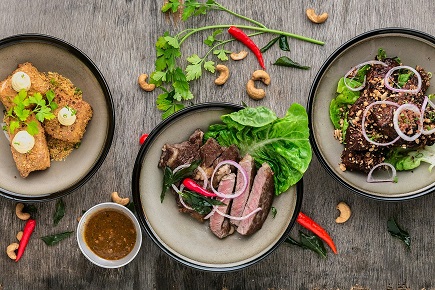
Fresh whole foods, especially fruits, vegetables, greens, legumes, nuts, and minimally processed meals, provide nutrients together with fiber, minerals, antioxidants, and natural hydration that support long-term energy production instead of temporary stimulation.
How to Break the Cycle
The goal is not perfection or extreme restriction. It is rebuilding a more stable relationship with food and energy.
Some helpful steps may include:
1. Reduce Dependence on Caffeine
Gradually replace some coffee with:
- herbal teas
- smoothies
- infused water
- fresh juices
2. Replace Refined Sugar
Choose naturally sweet whole foods such as:
- fresh fruit
- dates
- berries
- small amounts of honey
3. Create Real Meals
Instead of grazing all day, build balanced meals around:
- fruits and vegetables
- whole plant foods
- healthy fats
- adequate protein and fiber
4. Make Snacks Supplemental, Not Foundational
Good snack options may include:
- fruit
- soaked nuts
- seeds
- vegetable snacks
- simple salads
The Bigger Question
Modern food culture often teaches people to function on stimulation instead of nourishment.
But the body was not designed to run on caffeine, sugar, and emergency energy alone.
The question is not simply:
“How do I stop craving coffee and sweets?”
The deeper question may be:
“What is my body truly asking for underneath the stimulation?”



Leave Your Opinion