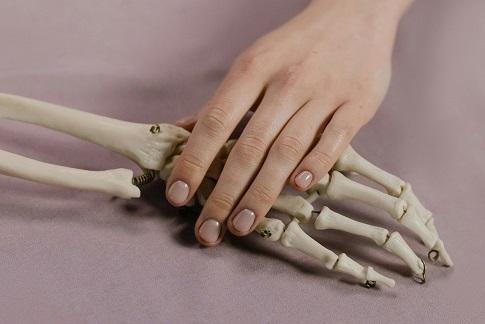
Osteoporosis is often described as a “silent disease,” gradually weakening bones until fractures occur. It affects over 200 million people worldwide and is especially common among women. For decades, the dominant message has been simple: consume more calcium, especially from dairy, to protect your bones.
But is it really that straightforward?
The Dairy Myth: Does More Milk Mean Stronger Bones?
For years, advertising has positioned dairy as essential for bone health. However, large-scale research challenges this assumption.
A 12-year study conducted by Harvard School of Public Health found no clear evidence that higher dairy consumption reduces fracture risk in older adults. Similar findings have been reported in other long-term studies.
Even more intriguing, global data shows that countries with high dairy intake often have higher rates of osteoporosis, while populations consuming less dairy tend to have lower rates.
This raises an important question: is dairy truly protective, or is the story more complex?
Animal Protein and Bone Health: A Deeper Look
Research led by T. Colin Campbell, known for The China Study, explored the relationship between animal protein and bone health.
Findings suggest that high intake of animal protein may increase calcium loss from bones, potentially contributing to decreased bone density over time. This process is sometimes described as acid-induced bone demineralization.
In contrast, plant-based dietary patterns, especially well-balanced vegan diets, have been associated in some studies with:
- Higher bone mineral density
- Lower fracture rates
- Improved mineral balance
It’s Not Just About Calcium
Bone health is influenced by far more than calcium intake alone.
Several lifestyle and dietary factors play a significant role:
1. Processed Foods and Sugary Drinks
Research from Tufts University found a strong association between high soda consumption and lower bone density, particularly in women. Phosphoric acid in soft drinks may contribute to mineral loss.
2. Body Weight and Muscle Mass
Low body weight is a known risk factor for osteoporosis. Muscle mass plays a protective role by supporting bone strength and reducing fracture risk.
3. Lifestyle Habits
Smoking, sedentary behavior, and chronic stress can negatively affect bone metabolism.
4. Nutrient Synergy
Bone health depends on a combination of nutrients, including magnesium, vitamin D, vitamin K, and adequate protein, not just calcium.
A Broader Perspective on Bone Health
The idea that one food group alone can prevent osteoporosis is overly simplistic. Bone health is the result of long-term lifestyle patterns, not a single dietary choice.
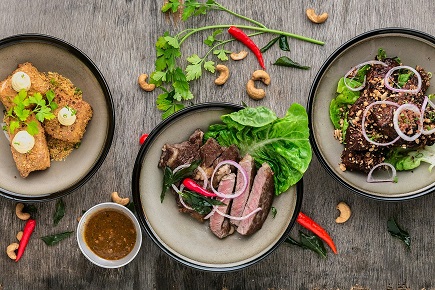
A well-planned plant-based diet, rich in whole foods, can support bone health when it includes:
- Leafy greens and mineral-rich vegetables
- Legumes, nuts, and seeds
- Adequate caloric intake
- Balanced macronutrients
- Regular physical activity
The Bottom Line
Osteoporosis is a complex condition influenced by diet, lifestyle, and metabolic health. While dairy has long been promoted as essential, current research suggests that bone health depends on a much broader set of factors.
Rather than focusing on a single nutrient or product, the goal should be overall balance, consistency, and long-term habits that support both bone strength and general health.



Leave Your Opinion