
Raw food is often associated with vitality, glowing skin, and high energy. And when implemented thoughtfully, it can indeed be a powerful approach to nutrition and wellness.
So why do some people who adopt a raw food diet end up looking fatigued, undernourished, or unwell?
The issue is rarely the concept of raw nutrition itself. More often, it’s the way the transition is handled, and what gets overlooked along the way.
Let’s examine the most common reasons.
1. Digestive Health Is Ignored
Many people switch to raw foods after years or decades of conventional eating. Sudden dietary change does not automatically mean optimal digestion.
If digestion is sluggish, inflamed, or imbalanced, even the highest-quality plant foods may not be properly absorbed. Bloating, fatigue, skin issues, and nutrient deficiencies can follow.
A healthy gut microbiome and efficient elimination are foundational. Without them, even a clean diet may not deliver results.
2. Parasites and Fungal Overgrowth
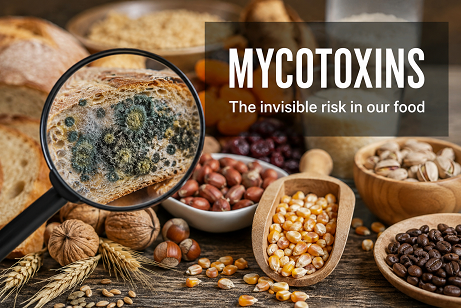
Chronic digestive imbalances may involve parasitic or fungal overgrowth. These organisms compete for nutrients and can release metabolic byproducts that affect skin clarity, mood, and energy levels.
Ignoring this possibility while dramatically increasing fruit intake may worsen symptoms in some individuals.
3. Overlooking Lifestyle Foundations
Raw food is not just about uncooked ingredients. Hydration, fresh air, sunlight, physical movement, and stress management all influence outcomes.
A common mistake is underestimating the role of water. Even fruit-rich diets do not eliminate the body’s need for adequate hydration. Water supports circulation, detoxification, and cellular function.
Without these lifestyle pillars, dietary changes alone may not deliver visible vitality.
4. Poor Meal Structure and Portion Control
Some people eat too frequently. Others undereat. Some consume excessively large portions of calorie-dense foods.
Irregular eating patterns can disrupt blood sugar balance, hormone signaling, and metabolic stability. Structure matters even with “clean” foods.
5. Excessive Fat in Gourmet Raw Cuisine
Many gourmet raw recipes rely heavily on nuts, seeds, oils, and avocados. While these foods are nutritious, they are also extremely calorie-dense and metabolically demanding in large quantities.
A diet dominated by high-fat raw dishes may impair digestion, reduce insulin sensitivity, and create inflammation, especially when combined with large amounts of fruit.
The idea that “anything is fine as long as it’s raw” is misleading. Quality, balance, and simplicity matter.
6. Psychological and Emotional Stress
Chronic stress, disordered eating patterns, perfectionism, or extreme dietary rigidity can all undermine physical appearance and health – regardless of diet type.
Nutrition does not function independently of the nervous system. A stressed body does not digest, absorb, or repair efficiently.
7. Unrealistic Expectations and Timing
Some individuals adopt raw food later in life, often after years of chronic illness. The body may require time to rebuild metabolic flexibility and nutrient stores.
For others with advanced health conditions, improvement may occur internally long before it becomes visible externally.
Healing is individual. Comparing timelines rarely helps.
8. Lack of Education
Perhaps the most significant factor is incomplete knowledge.
Raw nutrition requires understanding macronutrient balance, mineral intake, vitamin B12 status, protein sufficiency, omega-3 sources, and digestive capacity.
Without education, people may unintentionally create deficiencies while believing they are eating optimally.
The Bottom Line
Raw food can be a supportive nutritional framework, but it is not a magic solution.
Digestive health, metabolic balance, emotional resilience, hydration, and education all determine the outcome.
Transitioning to raw nutrition is a personal process. What works beautifully for one person may not suit another.
Before making drastic dietary changes, build a strong foundation. Support digestion. Balance macronutrients. Reduce stress. Stay hydrated. Seek professional guidance when needed.
True vitality is not about extremism. It’s about alignment between food, physiology, and lifestyle.



Leave Your Opinion