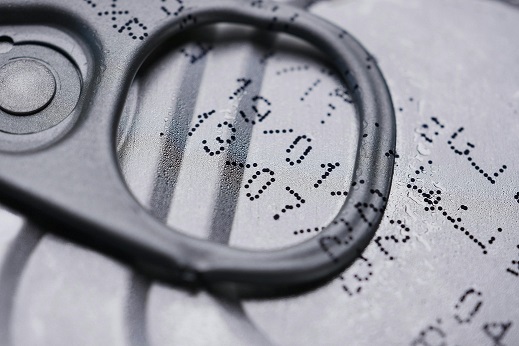
When most of us see a “Best Before” or “Use By” date on food, we treat it like a simple deadline: before the date – good, after the date – bad.
In reality, that small line of text represents a carefully calculated balance of science, safety, and quality. Shelf life isn’t guesswork. It’s the result of how food changes over time and how well it’s protected from spoilage.
Understanding shelf life can help you store food better, waste less, and make safer choices.
What Does Shelf Life Really Mean?
Shelf life describes how long a food remains safe and enjoyable to eat when stored correctly. It depends on much more than time alone.
Food slowly changes from the moment it’s made. Microbes grow, fats oxidize, moisture shifts, and flavors fade. Shelf life tells us when these changes cross an acceptable limit – either for safety, quality, or both.
The Science Behind Shelf Life
Several factors work together to determine how long food lasts:
1. Microbial Growth
Bacteria, yeast, and mold are the main reasons food spoils. Shelf life testing ensures harmful microbes stay under control for a defined period.
2. Storage Conditions
Heat, light, and humidity can dramatically shorten shelf life. A product kept cold and dark lasts far longer than one stored warm or exposed to light.
3. Packaging Matters More Than You Think
Packaging isn’t just for looks. It protects food from air, light, and moisture.
Examples:
- Dark glass bottles for oils and beer protect against light damage
- Vacuum-sealed meats reduce oxygen and bacterial growth
- Nitrogen-filled snack packs slow down fat oxidation and staleness
4. Ingredients Work Together
Some ingredients naturally slow spoilage, like salt, vinegar, lemon juice, or sugar. Others can speed it up when combined. Shelf life considers how ingredients interact over time.
How Shelf Life Is Tested
Before a date ever appears on packaging, food goes through testing such as:
- Real-time storage tests (waiting and observing changes)
- Accelerated aging (using heat to predict long-term behavior)
- Microbial testing for safety
- Sensory checks for taste, smell, texture, and appearance
- Chemical measurements like acidity, moisture, or fat oxidation
The goal is not only safety, but keeping food enjoyable.
Why Shelf Life Is About More Than Safety
A well-calculated shelf life helps:
- Reduce unnecessary food waste
- Build consumer trust
- Ensure consistent taste and texture
- Improve sustainability across the food system
Too short = wasted food.
Too long = risk to quality or safety.
Understanding Food Date Labels
Here’s a simple guide:
Best Before
About quality, not safety. Food may still be safe after this date if stored properly.
Use By / Consume By
About safety. Especially important for fresh, refrigerated foods. Do not ignore.
Sell By
For stores, not consumers. It helps retailers manage stock.
Why Some Foods Last Longer Than Others
You may notice olive oil lasts longer in dark bottles, or deli meats stay fresh in sealed packs. That’s not luck – it’s design.
Food shelf life is shaped by how well science protects food from its environment.
The Takeaway
Shelf life isn’t a random date or a marketing trick. It’s a carefully tested promise that food will remain safe, stable, and enjoyable up to a certain point.
Understanding it helps you shop smarter, store food better, and waste less, without fear or confusion.

Leave a Reply