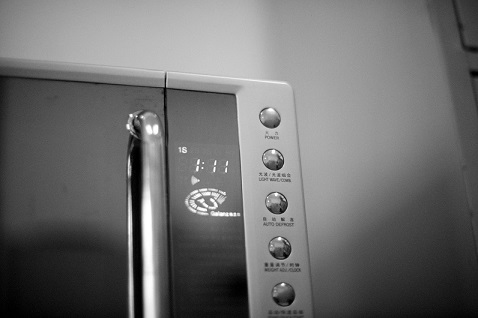
Microwave ovens are ubiquitous in modern kitchens, prized for their speed and convenience. But beneath the surface of that quick beep and rotating plate lies a deeper conversation about food structure, nutrition, and safety. Let’s explore how microwaves actually work, what research says about their effects on food, and what it might mean for your health and food quality.
How Microwaves Work
Microwaves are a form of electromagnetic energy, like radio waves and visible light. This energy is generated inside the appliance via a magnetron, which converts electrical power into high-frequency waves (typically around 2.45 GHz). These waves penetrate the food and excite water molecules, causing them to vibrate at millions of times per second. That intense molecular motion turns into heat, cooking or reheating the food.
From a food-science perspective, this means the molecular structure of food is being stressed in ways unique to microwave heating.
Origins and Historical Warnings
Interestingly, the development of microwave technology has military and scientific origins. In post-war Germany and the Soviet Union, early versions of microwave cooking were studied for biological effects. Some Eastern European scientists flagged potential hazards of microwave exposure and food processing, even imposing restrictions at one point. Whether those findings hold under modern appliance standards remains a question worth raising.
What Research on Food Quality & Microwaves Actually Shows
- Traditional studies once claimed that microwaved food carries “electromagnetic energy in its molecules” and warned of altered nutrients and blood-markers. Those claims stirred concern but were heavily debated and seldom replicated rigorously.
- More recent reviews, including from authoritative sources like CSIRO and Harvard T.H. Chan School of Public Health, indicate no clear evidence that properly used microwave cooking reduces nutrient quality more than other methods; in fact, microwaving may preserve water-soluble vitamins like C and B better than boiling.
- On specific food-quality metrics, such as texture, protein oxidation, and starch breakdown, microwave cooking does cause different changes compared to conventional cooking, for example, less browning, different protein denaturation, altered microstructure.
So What Does This Mean for Food Quality, Safety, and Your Plate?
- Food Structure & Bioavailability: Microwaving may alter how food is structured at the molecular level. While that doesn’t automatically mean “harm,” it does raise questions about how nutrients are released and absorbed – a core issue in food-quality science.
- Safety & Cooking Integrity: Uneven heating and improper containers (e.g., non-microwave-safe plastics) are real safety concerns. Food-safety practices still matter.
- Consumer Perception & Quality Assurance: Quality isn’t just about speed or convenience. It’s about how the food performs in digestion, nutrition and long-term health. What food scientists term “processing effect” reminds us that how we cook matters.
- Balanced View: While alarmist claims about molecular “radio-decay” in microwaved food lack strong scientific backing, it’s valid to ask: Are we sacrificing subtle aspects of quality for the sake of convenience?
A Practical Approach
Here are some mindful steps:
- Use microwave‐safe containers (glass or labelled materials), and cover food to avoid uneven heating.
- For highly sensitive foods (leafy greens, delicate herbs), consider gentler methods like steaming or light sautéing.
- View the microwave as one tool among many — not the default for everything.
- Focus on holistic food quality: ingredient sourcing, cooking method, and how the body responds over time.
Final Thought
When it comes to microwaves and our food, there’s no simple verdict of “good” or “bad.” What’s clear is this: as food-quality professionals, home cooks and informed eaters, we benefit from asking questions about how food is prepared, not simply accepting convenience at face value. Because true quality lies in the journey of food from raw ingredient to nutritious, safe nourishment.



Leave Your Opinion