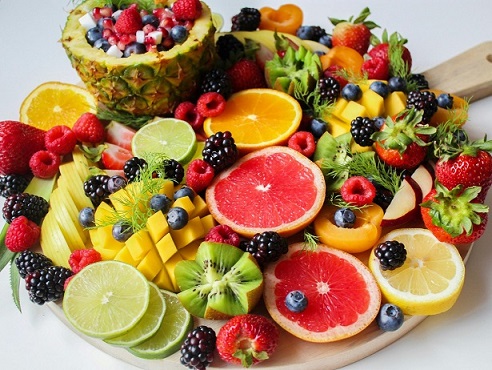
What is the ideal human diet? Is it meat-heavy like a carnivore’s, grain-based like an omnivore’s, or rooted in something simpler like fruit? Let’s dive into nature’s blueprint and explore what our instincts, senses, and biology tell us about what we’re truly meant to eat.
What Would You Eat Without Modern Tools?
Imagine being placed in nature, no fire, no fridge, no blender. What food would you naturally gravitate toward? Would you chase down a rabbit? Dig up dry grains or roots? Or would you reach for juicy, colorful fruits hanging from a tree?
The answer becomes surprisingly clear when we strip away the tools of modern civilization: humans are instinctively drawn to sweet, water-rich fruits and tender greens. These are not just delicious, they are what our senses and digestion are naturally designed for.
Are Humans Natural Predators?
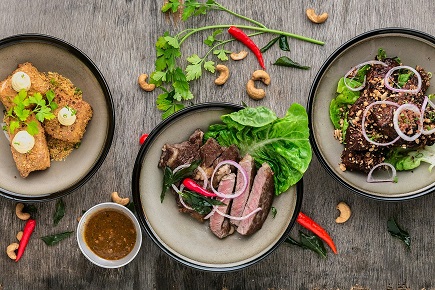
True carnivores eat raw meat with pleasure. They have sharp claws, powerful jaws, and acidic stomachs to break down flesh, bones, and organs. In contrast, humans are repulsed by the idea of killing animals with bare hands and eating raw flesh. We mask the natural state of animal products with spices, heat, and processing.
This disconnect is not just cultural, it’s biological.
Why We’re Not Herbivores Either
While leafy greens and vegetables are part of a healthy diet, they are not the foundation. Unlike cows or deer, humans lack the enzymes (like cellulase) needed to break down cellulose in grasses and coarse greens. Vegetables do contain fiber, vitamins, and minerals, but our system digests them with difficulty, especially when raw and unblended.
So yes, greens support health but they’re not the star of the show.
Grains, Legumes, and Tubers: Not Natural Staples
Starches – grains, legumes, and tubers – require extensive processing to be edible. In nature, raw grains are inedible and hard to digest. Legumes are often toxic when raw. And root vegetables need tools to dig them up and fire to make them palatable.
Our ancestors did not evolve eating baked bread, boiled beans, or mashed potatoes.
The Fermented and Decomposed Food Problem
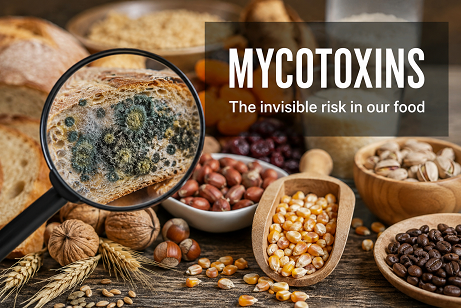
Many common modern foods are products of fermentation or decay: cheese, alcohol, vinegar, and even processed soy. These foods may taste good thanks to additives and acquired habits, but they are often filled with toxic byproducts like alcohols, amines, mold, and putrefactive compounds.
Nature never intended for us to eat rot.
Milk: Nature’s Perfect Food, But Not for Us
Milk is the perfect food… for infants of the same species. No animal in the wild drinks the milk of another species, and certainly not into adulthood. Cow’s milk is tailored for calves, not for humans. Its proteins, hormones, and sugars are foreign to our biology, and often linked to allergies, digestive issues, and other chronic conditions.
Nuts, Seeds, and Fats: A Healthy Addition, In Moderation
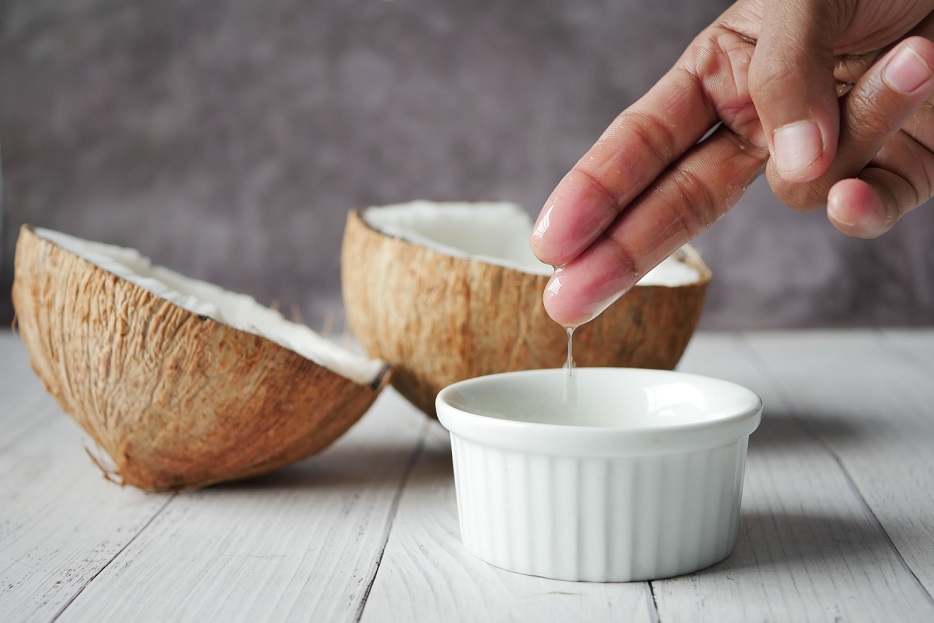
Raw nuts and seeds are nutrient-rich, but difficult to digest, especially when roasted or dried. Most store-bought nuts have been heat-treated, damaging their enzymes and altering their fats. In contrast, fatty fruits like avocado, young coconut, durian, and olives provide easily digestible, healthy fats, exactly what our bodies crave in small amounts.
The Frugivore Conclusion: Designed for Fruit
Humans are biologically frugivores, i.e. fruit-eaters. Our natural diet is centered around ripe, sweet fruits supplemented by tender greens. Fruits provide the most bioavailable nutrients, natural sugars, antioxidants, and enzymes; all in a delicious, hydrating, easy-to-digest package.
Cooked, processed foods drain our energy and digestive capacity. Raw fruits and greens, on the other hand, digest themselves thanks to enzymes and water content, initiating autolysis, or self-digestion, with minimal effort from the body.
Final Thoughts
- Fruits are nature’s perfect food for humans
- Leafy greens play a supportive role
- Animal products, grains, legumes, and fermented foods are difficult to digest and often harmful
- Cooked food destroys vital enzymes. Raw is best
The human body thrives on simplicity, not complexity. When we return to a species-appropriate, fruit-based diet, we align with the natural design of our bodies, restore energy, and awaken our instinctual health.



Leave Your Opinion