Find more about banana and other fruits in The Fruit Guide.
Bananas are one of the most popular and nutritious fruits on the planet. But have you ever wondered whether green bananas or those with dark spots are better for your health? Let’s break it down!
The Ripening Process: What Happens to Bananas?
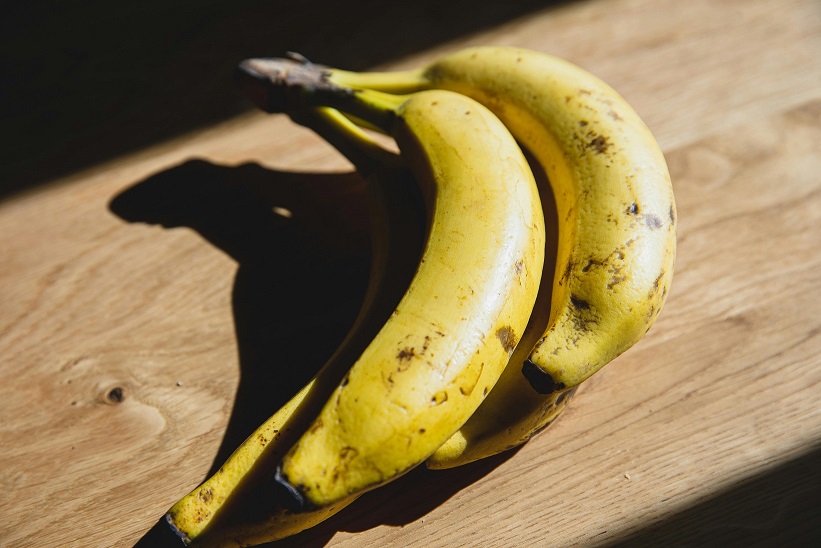
Bananas start as a greenish-yellow fruit and gradually ripen. As they mature, they progress through stages numbered 5 to 7, eventually developing brown spots before turning completely brown. Unlike other fruits, this doesn’t mean they have gone bad! In fact, the darker the banana, the more health benefits it may offer.
The Power of Overripe Bananas
As bananas ripen, they produce an extraordinary protein called TNF (Tumor Necrosis Factor). This protein has been studied for its potential to fight abnormal cells in the body, including cancerous ones. Research indicates that TNF can inhibit tumor growth and prevent its spread.
Additionally, overripe bananas are loaded with antioxidants, which strengthen the immune system and fight oxidative stress. A study conducted by Japanese researchers found that as bananas ripen, they become richer in fiber, vitamin C, B vitamins, potassium, and antioxidants.
Health Benefits of Bananas (Ripe & Unripe!)
Bananas, whether green or overripe, are packed with nutrients. Here’s how they benefit your health:
1. Help with Acid Reflux and Heartburn
Bananas have natural anti-acid properties that can provide relief from heartburn and acid reflux. Just one banana can soothe stomach discomfort.
2. Support Heart Health
High in potassium and low in sodium, bananas help regulate blood pressure and reduce the risk of stroke or heart attack.
3. Boost Energy Levels
Eating 1-2 bananas before a workout can provide a steady release of energy, thanks to their low glycemic index and rich carbohydrate content. Plus, potassium helps prevent muscle cramps.
4. Aid in Combating Anemia
Bananas contain dietary iron, which stimulates red blood cell production and increases hemoglobin levels, improving blood circulation.
5. Safe for Stomach Ulcers
Their soft, mushy texture helps coat the stomach lining, protecting it from acidic irritation.
6. Help Alleviate Depression
Bananas contain high levels of tryptophan, which the body converts into serotonin—the “happiness hormone.” This neurotransmitter helps improve mood, relaxation, and overall well-being.
7. Improve Digestion & Relieve Constipation
Rich in fiber, bananas aid digestion and support regular bowel movements, preventing constipation.
8. Reduce PMS Symptoms & Nervous Disorders
Bananas help regulate blood sugar levels and contain B vitamins, which calm the nervous system and reduce stress.
9. Regulate Body Temperature
On a hot day or when you have a fever, eating a banana can help lower body temperature naturally.
What About Green Bananas?
While overripe bananas have numerous health benefits, green bananas shouldn’t be overlooked! Here’s why:
- Lower sugar content: Ideal for people with type 2 diabetes.
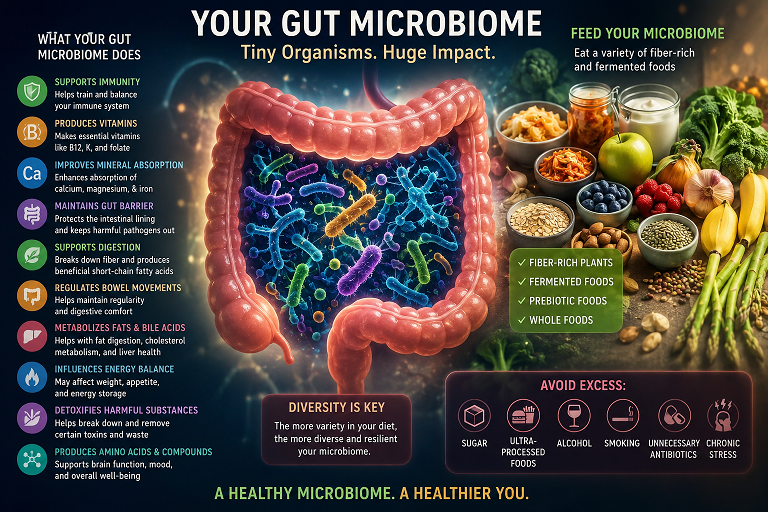
- Rich in resistant starch: Promotes gut health and helps you feel full for longer.
- Contain probiotic bacteria: Support digestive health and boost immunity.
The Bottom Line: Which Bananas Are Healthier?
The answer depends on your health needs! Overripe bananas are packed with antioxidants and immune-boosting compounds, while green bananas offer digestive benefits and lower sugar content. Either way, bananas are a superfood worth enjoying at any stage of ripeness!
So, the next time you see a spotted banana, don’t toss it away—it might be even healthier than you think!




Leave a Reply