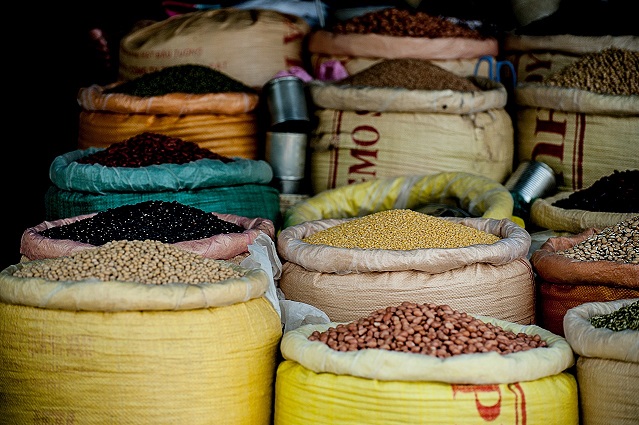
For years, beans and legumes were dubbed “meat for the poor” due to their affordability. But it’s time for a rebrand—they are truly the “meat for the smart.” Packed with protein, fiber, and essential nutrients, these plant-based powerhouses help with weight management, energy levels, heart health, and more. Let’s dive into the incredible benefits of adding chickpeas, beans, and legumes to your diet!
The Nutritional Power of Beans
One serving of canned beans offers an impressive nutrient profile:
- Calories: 218 kcal
- Protein: 14.5 g
- Fat: 0.7 g
- Carbohydrates: 40 g
- Fiber: 16.6 g
- Iron: 5 mg (28% DV)
- Magnesium: 84 mg (27% DV)
- Phosphorus: 259 mg (37% DV)
- Potassium: 739 mg (16% DV)
- Zinc: 1.3 mg (16% DV)
- Thiamine: 0.4 mg (33% DV)
- Riboflavin: 0.3 mg (27% DV)
- Folate: 146 mcg (36% DV)
With such a rich nutrient profile, it’s no surprise that beans and legumes are considered nutritional goldmines. But what exactly makes them so beneficial?
Health Benefits of Beans and Legumes
1. Supports Digestion
Beans are an excellent source of dietary fiber, which aids in digestion and promotes regular bowel movements. They help prevent constipation and bloating by keeping the intestines active and healthy. Just one to two servings per week can work wonders for gut health!
2. Lowers “Bad” Cholesterol
Soluble fiber plays a crucial role in reducing LDL (bad) cholesterol levels. Consuming the recommended 25-30 grams of fiber per day—especially from fiber-rich sources like beans—helps maintain a heart-healthy cholesterol balance.
3. Strengthens Bones
Beans and legumes are loaded with magnesium, a mineral essential for bone density and strength. Since magnesium plays a role in over 300 bodily processes, including metabolism, it is a key nutrient for maintaining overall skeletal health.
4. Helps Regulate Blood Pressure
Potassium is a vital mineral for heart health, as it helps relax blood vessels and improve circulation. Regular bean consumption can contribute to stable blood pressure levels, reducing the risk of hypertension.
5. A Plant-Based Protein Powerhouse
For vegetarians, vegans, and even meat-eaters looking to diversify their protein intake, beans provide an excellent alternative. With 15 grams of protein per serving, they help support muscle growth, energy production, and overall health.
How Much Should You Eat?
Want to unlock the full benefits of beans and legumes? The sweet spot is three servings per week—or half a cup per day. Interestingly, some of the world’s longest-living populations, such as those in the Blue Zones, regularly consume legumes as a dietary staple.
Are Beans Safe for People with Diabetes?
Absolutely! While you should always consult your doctor, legumes are generally considered one of the best foods for diabetes management. Their high fiber content helps regulate blood sugar levels, preventing spikes and crashes after meals.
Canned vs. Dried: Which Is Better?
Nutritionally, both canned and dried beans are excellent choices. However, canned beans often contain added salt and sugar, so it’s essential to check labels and opt for low-sodium or no-added-sugar varieties. If you have time, cooking dried beans from scratch is the healthiest option, as it allows you to control the ingredients.
Final Thoughts
Chickpeas, black beans, lentils, and peas aren’t just affordable—they’re nutritional powerhouses that promote overall health. Whether you’re looking to improve digestion, maintain a healthy weight, or boost heart health, adding legumes to your diet is a smart choice. So why not swap out a few meat-based meals each week for this plant-based alternative? Your body (and wallet) will thank you!




Leave Your Opinion