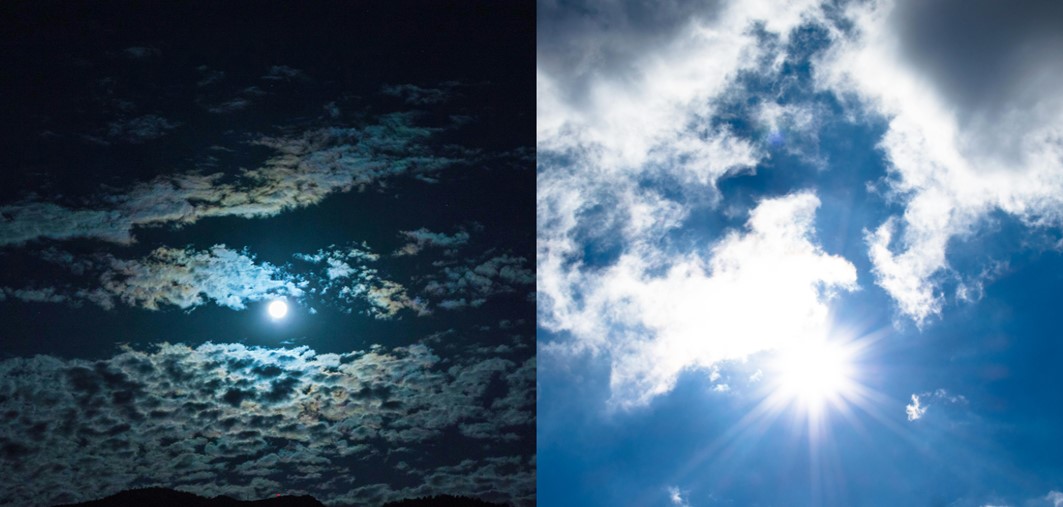
Have you ever wondered why your body feels energized during the day and craves rest at night? The answer lies in your biological rhythms, governed by the cycle of day and night. These rhythms, influenced by light and temperature, are essential for maintaining a healthy balance between energy production and restoration in your body.
Let’s dive into the fascinating science behind why eating during the day and sleeping at night align with your body’s natural clock—and why disrupting this rhythm can lead to serious consequences for your health.
The Role of Daylight: Energizing Your Body
The sun is more than just a source of light—it’s a powerhouse of life energy. Known as prana in Indian traditions or chi in Chinese medicine, this solar energy plays a vital role in activating your body’s metabolic processes. Here’s how:
- Boosting Body Heat: Sunlight raises your body temperature, increasing biochemical reactions and improving digestion.
- Ionizing Fluids: Solar energy helps balance the body’s internal fluids, keeping you energized and functional throughout the day.
- Activating Metabolism: As sunlight increases, your body shifts into high gear, breaking down complex nutrients to release energy.
Daylight triggers catabolic processes, where the body breaks down molecules to generate energy—ideal for eating, moving, and working during the day.
Why Darkness Demands Rest
When the sun sets, your body begins to transition into a restorative state. Without the warmth and energy of sunlight, several changes occur:
- Lower Body Temperature: Your body cools down as metabolic activity slows.
- Vessel Constriction: Blood vessels narrow, reducing physical activity at the cellular level.
- Internal Cleansing: Nighttime triggers detoxification processes, helping your body repair damage and eliminate toxins.
This is when anabolic processes take over, focusing on rebuilding tissues, digesting food consumed during the day, and restoring energy reserves. Sleeping during this phase is critical for maintaining physical and mental health.
The Moon’s Subtle Influence
While the sun dominates the day, the moon also exerts its power over the body at night. Its gravitational pull affects not only the oceans but also the fluids within your body. Ancient Chinese medicine highlights how energy and blood flow to specific organs peak at different times of the day, creating a natural rhythm.
This gravitational pull even impacts the Earth’s magnetic fields, subtly altering your body’s bioenergetics and the speed of biochemical reactions. Disrupting this balance—by staying awake at night or working against your body’s natural rhythm—can lead to fatigue, toxin buildup, and premature wear on your system.
Why Eating by Day and Sleeping by Night Matters
Your body thrives on a rhythm that aligns with the sun’s energy during the day and the moon’s calming pull at night. Staying active at night or eating heavy meals late disrupts these processes, forcing your body to work harder without adequate energy from sunlight. Over time, this can lead to:
- Toxin Accumulation: Your body’s detox systems can’t work efficiently when you’re awake at night.
- Increased Energy Drain: Staying active during the night demands extra physical and mental effort, prematurely wearing out your body.
- Weakened Restorative Processes: Without proper sleep, your body struggles to repair itself and digest nutrients effectively.
Maintaining a Healthy Sleep-Wake Cycle
Aligning your lifestyle with the natural rhythms of day and night is vital for long-term health. By prioritizing daytime activity, eating meals during sunlight hours, and allowing your body to rest at night, you can support your biological processes and enhance your overall well-being.




Leave a Reply